




The world of Kasetsu I jumped into with no experience. Kumamoto Center ・Shunsuke Yasuda's Journey of Challenge and Growth
- Kyushu area
- Equipment Center
- Kumamoto
- Scaffolding Rental




BUSINESS
Text: Sayaka Mitsuda
Photo: Sho Kobayashi


PROIFILE




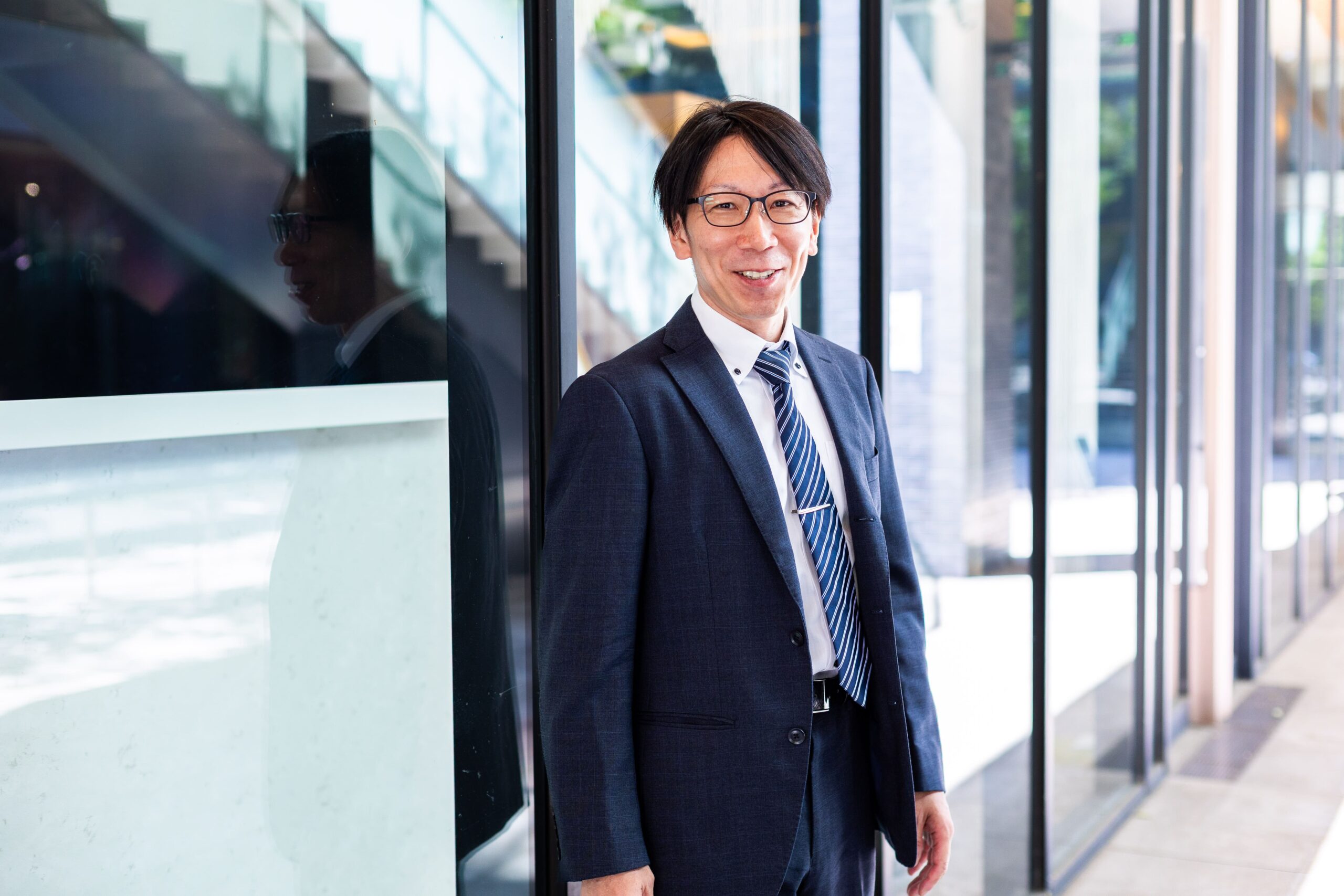
In recent years, ASNOVA has been accelerating the expansion of its overseas business. At the heart of this expansion is ASNOVA Singapore, which was established with an eye towards future regional management functions.
Motoharu Anan, the representative who has been in charge of practical operations in Singapore for about a year, describes its positioning as a "hub" that bridges the gap between the Japanese headquarters and overseas subsidiaries, and as an organizational design philosophy to maximize corporate value in the medium to long term. We will unravel the current situation and outlook on what kind of future they are trying to envision in the complex ASEAN market.
Text: Sayaka Mitsuda
Photo: Sho Kobayashi

PROFILE
At ASNOVA, we aim to become a "collection of self-driving global organizations" where each of our entities can grow independently in the future. Within this framework, ASNOVA Singapore was established as a "hub for overseas bases," driving the expansion of sales and profits and strengthening governance as the central hub of our overseas operations.
Specifically, I see our role as being positioned between "strategy," "execution," and "control" between the Japanese headquarters and local subsidiaries. Our organization aims to resolve the discrepancies and divergences in understanding that often arise between headquarters and subsidiaries, and to foster "co-creation and sharing" rather than imposing the ideologies and values of either side.
In practical terms, there is a need to strengthen governance, including improving the level of internal controls, such as complying with J-SOX (Japan's internal control reporting system). To achieve this, I believe it is necessary not only to design the system but also to accumulate multifaceted results such as a sense of belonging to the organization and employee satisfaction.
Furthermore, with regard to companies that will be joining our group in the future, we believe that by being involved from the due diligence stage (a process in which the acquiring company thoroughly investigates the value and risks of the target company during M&A or investment) and by swiftly and reliably promoting the subsequent PMI (Post-Merger Integration) process (the "business integration process" after M&A), we can improve the accuracy of the integration itself.
It's not simply an organization that manages overseas operations; it possesses multifaceted functions that bring out synergies across the entire group through strategic support for subsidiaries and assistance with human resource and organizational development.
Even within the broad category of the ASEAN market, I've come to realize that values and work styles are incredibly diverse from country to country and region to region. Singapore, in particular, is a country where people from various Asian countries, Europe, and other parts of the world come together.
In such a complex market, unilaterally imposing the mindset and culture of the Japanese headquarters, even if it works somewhat in the short term, will significantly hinder the organization's growth in the medium to long term. That is why extremely sensitive communication and decision-making rooted in the field are required.
On the ground, employees tend to get caught up in localized changes in their daily work, which often creates a gap between their own perspective and the philosophy and understanding that headquarters aims for. On the other hand, while the Japanese headquarters has a broad overview, it also has a tendency to be less aware of the raw, real-world challenges on the ground.
I believe that the existence of a "regional headquarters" to act as an intermediary and coordinate between these two parties is crucial right now, in order to bridge the gap and align their directions.
It may seem basic, but we make it a point to thoroughly engage with and understand the other party's thoughts and perspectives. Furthermore, we take the utmost care not to impose our headquarters' methods on them.
When managing a team of members with vastly different backgrounds and cultures, my fundamental philosophy is to "give them what they want as much as possible and create an environment that allows them to do so." When you look at their motivations individually, you'll find that they vary greatly: some want career advancement, others seek higher salaries or better positions, some want to acquire qualifications or learn Japanese, and others want to try working for another group company in the future. I try to engage with them in a way that respects their individual wishes as much as possible.
On the other hand, many of the members involved in manual labor on-site have a clear motivation: to earn money for their families. For them, the greatest act of sincerity is to properly reward them financially. We believe that the most important thing in increasing engagement and a sense of belonging is to build relationships that allow each individual to work comfortably, respecting their background and beliefs, and balancing their desired self-realization with contributing to the company's profits.
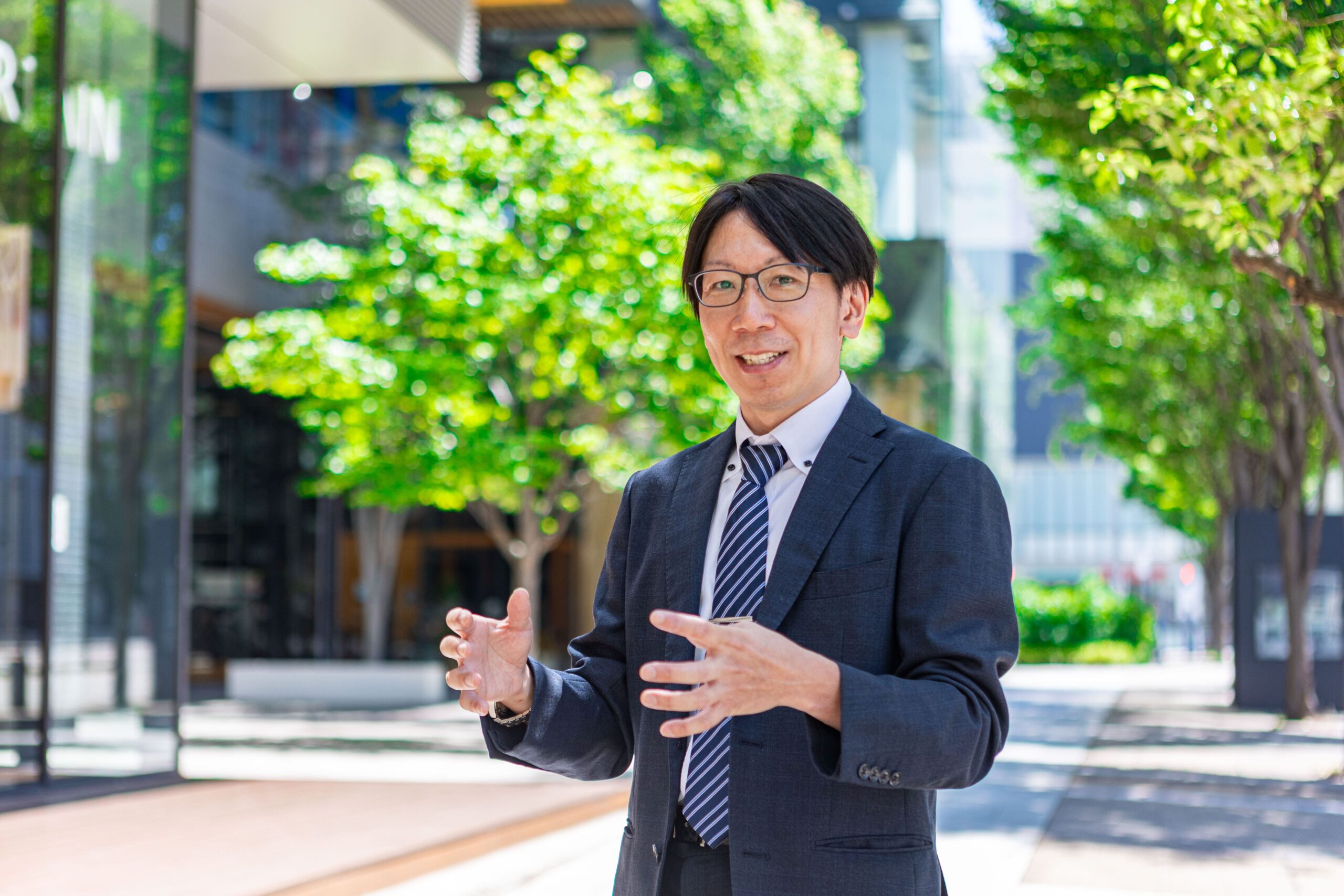
"The key is to always base decisions on the overall optimization of the group, rather than optimizing only a portion of it."
While problems that can only be seen on the ground occur daily, there are also risks and perspectives for the entire group that can only be seen at the Japanese headquarters. If we only listen to one side of the story, we risk damaging trust both inside and outside the company.
Therefore, we gather information on the actual situation, challenges, and employee perceptions at our subsidiaries in a neutral manner, and provide this information accurately to headquarters through regular reports. In addition, we hold frequent online strategic meetings to ensure everyone is on the same page.
Even if a situation results in losses from a partial perspective, we believe it should be implemented if it leads to the medium- to long-term growth of the ASNOVA Group. To that end, our important decision-making criteria are to gather as much information as possible and support fair and convincing decisions that optimize the overall outcome.
This company will contribute to ASNOVA's future in two main ways. First, it will act as a growth driver towards the "highly profitable global rental business excellent company" that the Japanese headquarters has set forth as its "desired state for 2030." In the short term, we would like to focus on the process of breaking down the "ROIC (Return on Invested Capital) management" promoted by headquarters into actionable indicators at the operational level and putting them into practice. In order to build a solid foundation, we will enhance the effectiveness of M&A and PMI and accelerate business expansion not only in the ASEAN market but also throughout APAC (Asia Pacific).
Secondly, we aim to create a situation where employees of each company that joins the group can empathize with ASNOVA's philosophy and direction. The local subsidiaries already had a sense of solidarity among their employees. By sharing the ASNOVA Group's direction and increasing engagement, we will create a unified, self-driving organization that will serve as a strong revenue base.
Rather than being solely focused on short-term profits, we will demonstrate in overseas markets that our business activities themselves contribute to the optimization of society, creating a sustainable system. We are confident that this accumulation of efforts will lead to improved evaluations from both domestic and international investors, strengthen our recruitment capabilities, and ultimately enhance ASNOVA's branding.
INDEX