

Ten years since its founding. Looking ahead. ASNOVA Companies' next growth strategy.
- Rental business
- Holding company
- New listing


IR
Text: Sayaka Mitsuda
Photo: Sho Kobayashi


PROIFILE


"What exactly defines ASNOVA's style?"
As we reviewed our shareholder benefits program, we revisited that question.
During this process, we encountered Enkuru Co., Ltd., which operates "monotomoi," a web service that delivers the thoughts and stories of creators. What does "ASNOVA-ness" mean, as revealed through dialogue with this new partner? We asked about the background of this initiative and the values that both companies cherish.
Text: Sayaka Mitsuda
Photo: Sho Kobayashi

PROFILE
Kimura: At the core of our rental business is the philosophy of 'cherishing and nurturing things.' scaffolding that fulfill their role at one site return to us. Behind the customers' sight, our team carefully inspects and restores each piece, infusing it with new power and sending it back to the customer. This repetition is the essence of the rental business.
We believe that the spirit of "kintsugi," an ancient Japanese art form dating back to the Muromachi period, deeply resonates with our own philosophy. Kintsugi is a time-honored technique of repairing broken pottery by carefully mending it rather than discarding it. In fact, kintsugi-repaired pieces often become even more beautiful and stronger than before. We feel that our work lies in cherishing objects, nurturing their value, and passing them on to the next generation.
Kimura: Up until now, we have had a shareholder benefit program as one way of returning value to our shareholders, but it felt like it was just "a typical shareholder benefit program." So I thought about what "ASNOVA's shareholder benefit program" should mean.
The conclusion we reached was to "deliver what makes ASNOVA unique." We wanted to do more than just hand over products; we wanted to convey to our shareholders our "passion for nurturing products and connecting value," our approach to society, and all those other sentiments.
To us, our shareholders are not merely supporters in terms of numbers, but important partners who walk alongside us on ASNOVA's journey.
Financial statements and investor relations materials alone cannot fully convey the passion and dedication we put into our business on a daily basis. However, I believe that the annual shareholder benefits we send to our customers reflect something akin to the "personality" of our company.
We envision a future where not only goods and money, but also feelings and joy circulate from person to person. And we want our shareholder benefits to be a part of that circulation. If our shareholders can feel the warmth of what this company values through the products we offer, that would be the best form of communication. We want these new shareholder benefits to be like a letter from us to our shareholders, filled with our gratitude and appreciation.
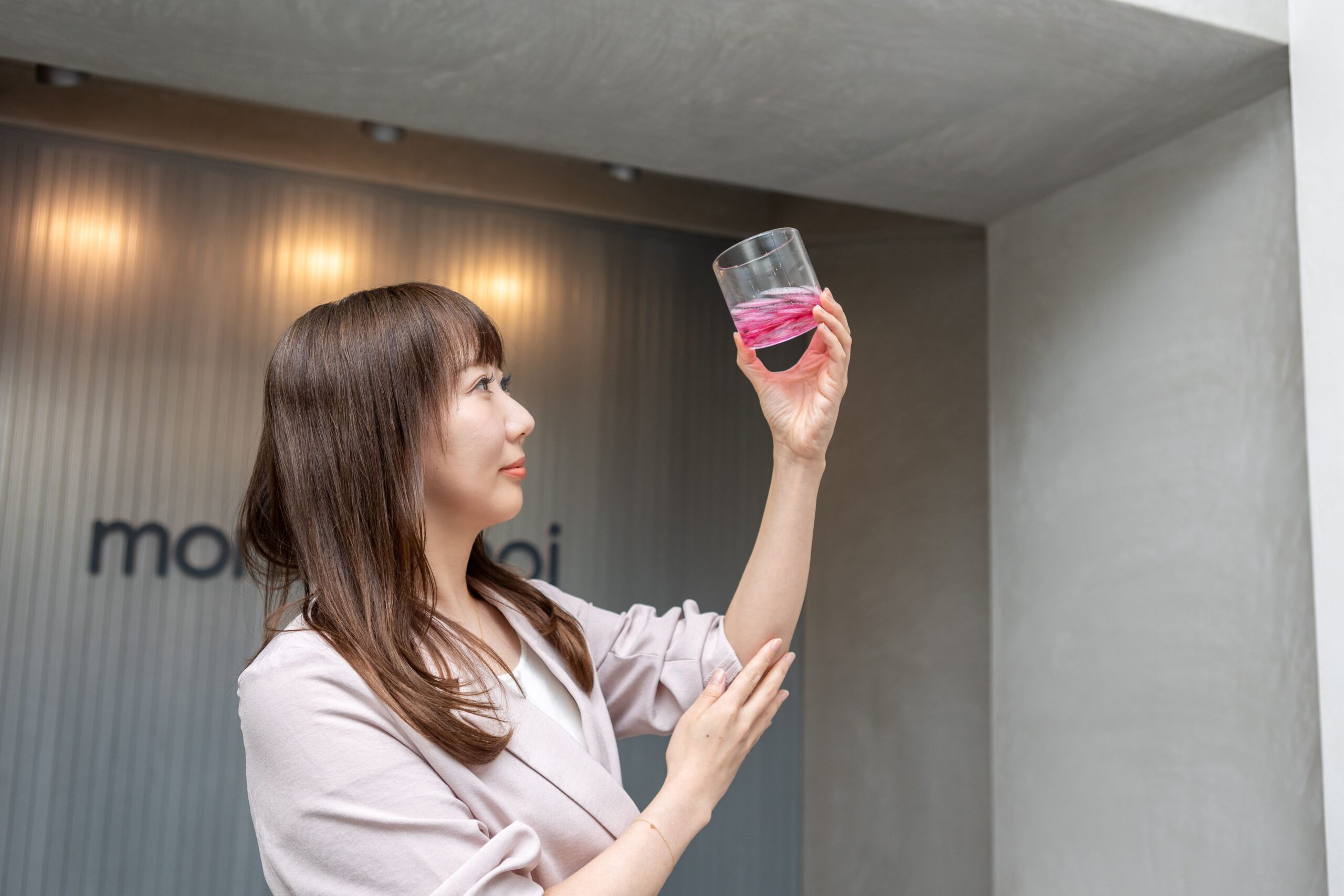
Yamamoto: The trigger was the COVID-19 pandemic. During the state of emergency, people were unable to meet in person. In that situation, the desire to create a society where people's thoughts and feelings could still be exchanged even when they couldn't meet in person became the starting point for the service.
There's another story that sparked this idea. When I was choosing a bib to give as a baby shower gift to a friend, I suddenly wondered, "Is giving a gift really just about handing over an object?" It's a great opportunity to convey something, but it ends with just handing over a product. That feeling of wasted potential became the inspiration for our service. Since then, we've been communicating to society the message that "gifts are an opportunity to convey feelings."
We are pleased that ASNOVA has chosen to use our product as a shareholder benefit, and we believe this represents an application of our philosophy to the relationship between companies and investors. We believe that the "exchange of ideas" that has been conducted between individuals can also be realized between companies and investors.
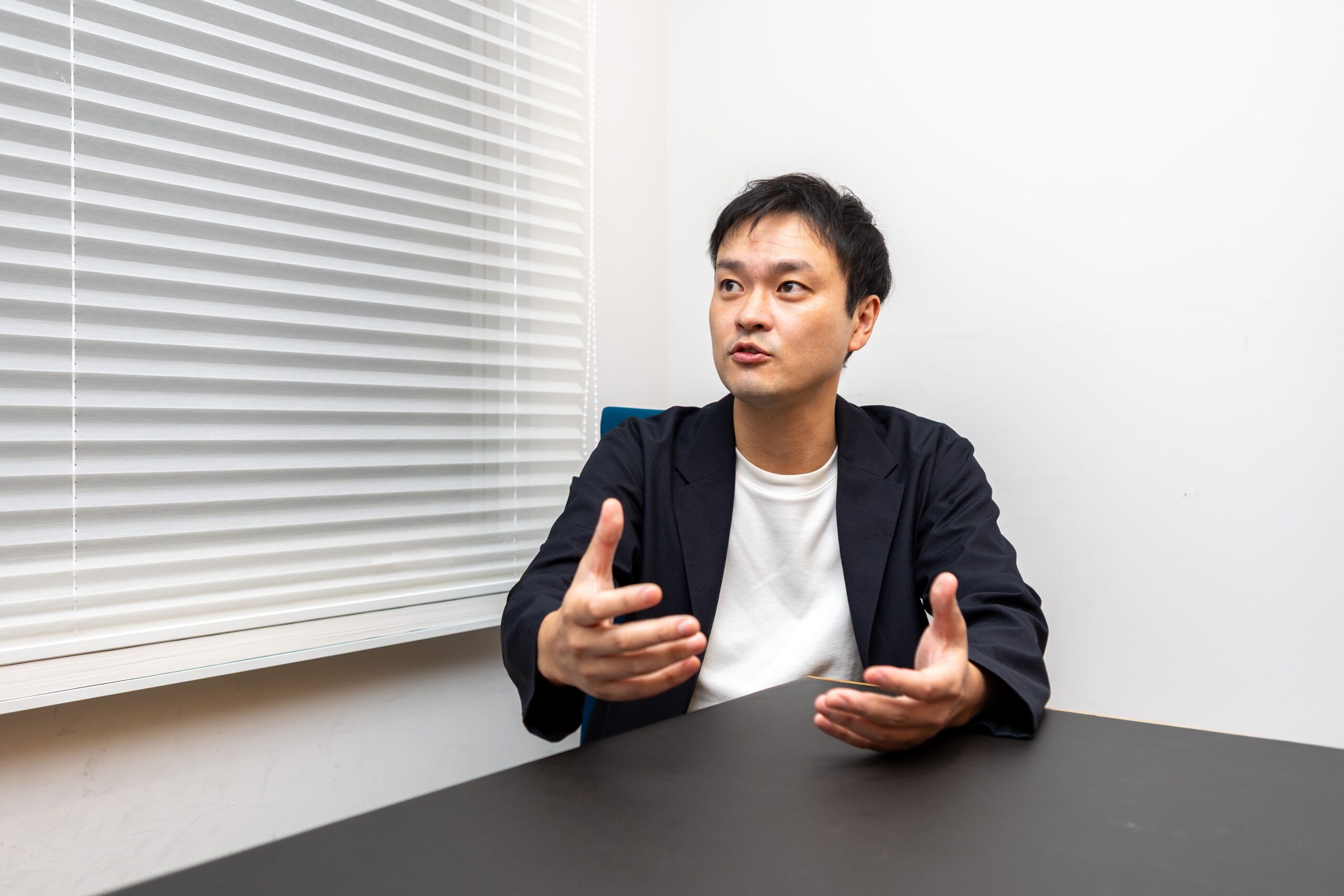
Yamamoto: What I value most is whether the passion and commitment stem from a formative experience and whether that is reflected in the manufacturing process. After interviewing the makers, I actually visit the manufacturing site and conduct interviews there to see for myself whether that passion is consistently incorporated into the manufacturing process. Only after doing that do I decide that I can introduce them to the market. As a result, if I interview 100 companies, I end up declining about 40 of them.
The biggest difference between our products and mass-produced items is that "each piece is unique." Because we use natural materials and each item is handcrafted by artisans, even identical products will have different colors and wood grain patterns. Furthermore, products imbued with the artisans' passion allow you to remember the person who made them every time you hold them. You might treat them with more care than usual, or hold them in your hands and admire them... We believe that the essence of the products we handle lies in having a "meaning" that goes beyond mere functionality.
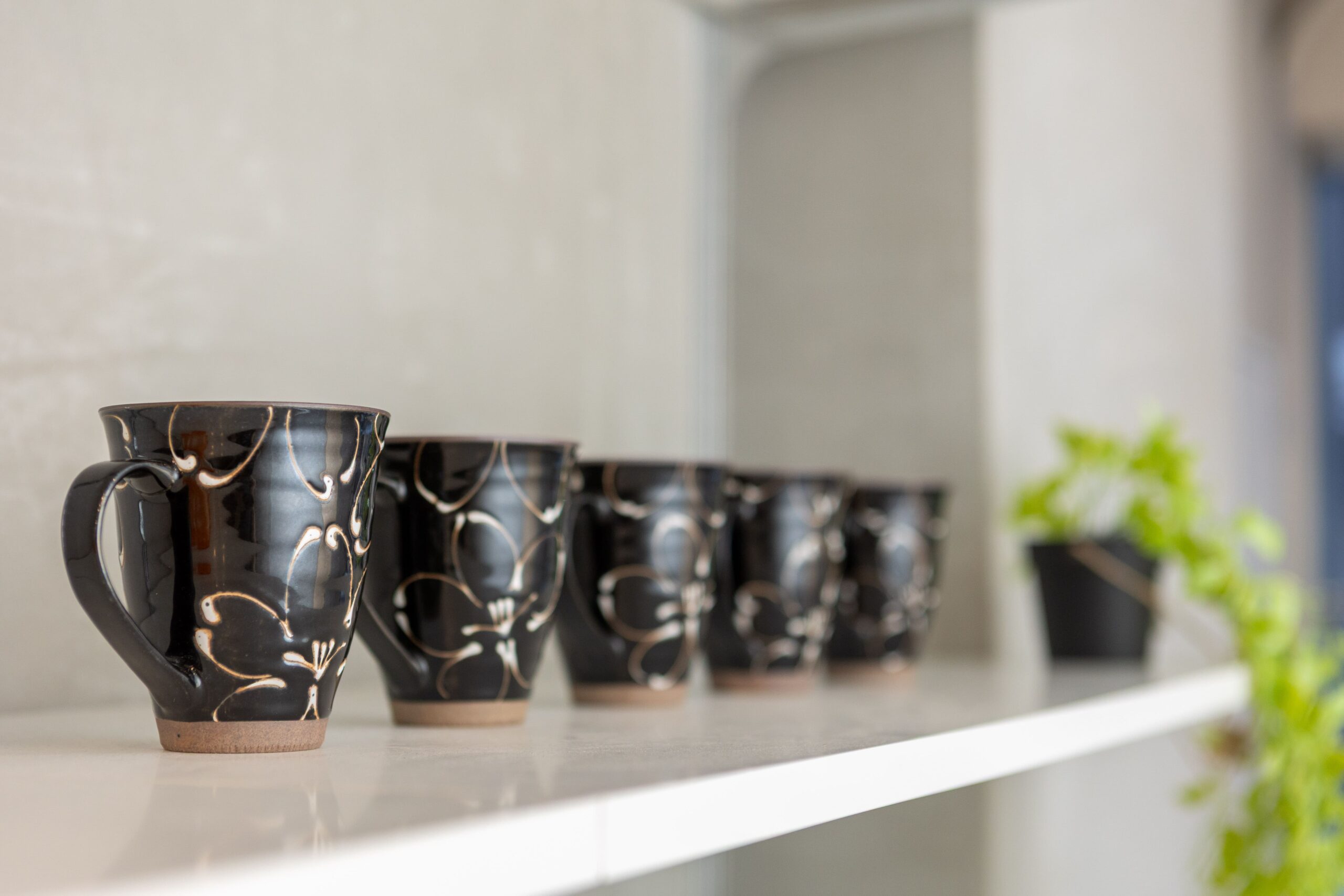
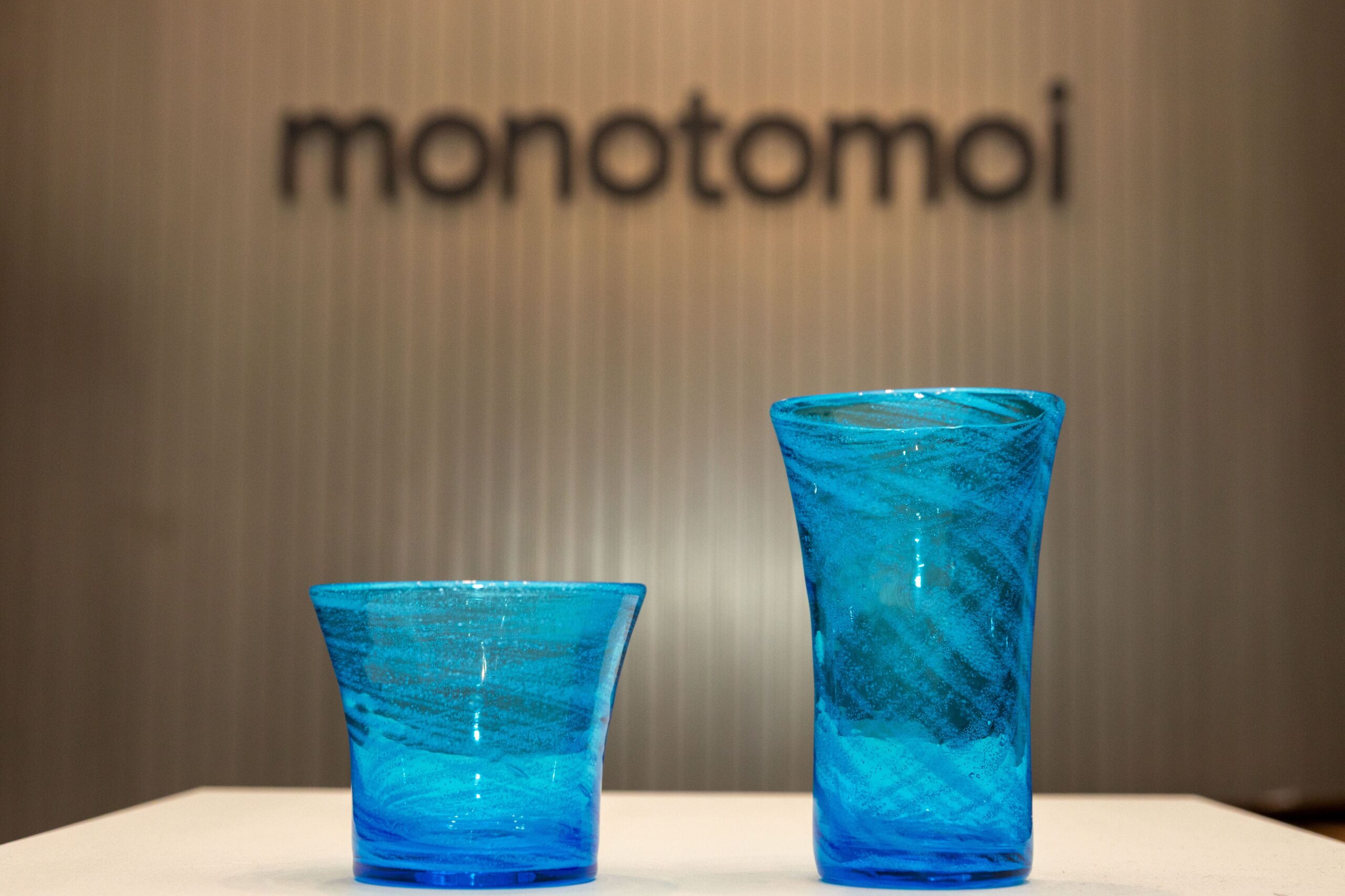
Kimura: Mr. Enkle, I felt that you are a company that looks at the people behind the products. Through scaffolding Rental, we have a background of valuing the value of "people" such as the craftsmen on site and the builders themselves. Even though our business areas differ, we feel we share the same attitude in putting heart into things and respecting those involved.
This relates to the story of Kintsugi (the art of repairing broken pottery with gold), but I think Kintsugi is beautiful not just because the vessel is beautiful, but because it embodies the feelings of the person who tried to repair it instead of throwing it away. Talking with Enkuru made me realize once again that cherishing things is also about cherishing the people behind them.
Yamamoto: When I saw ASNOVA's website, I felt it wasn't like a typical construction company. I thought it was a company that doesn't just focus on superficial appearances, but takes on challenges that it believes are meaningful. I think that sincerity in their beliefs is what gives their words their passion. Their attitude of "seeing the people behind the products" is something we have in common with our "attitude towards working with creators," and I have a great deal of respect for that.
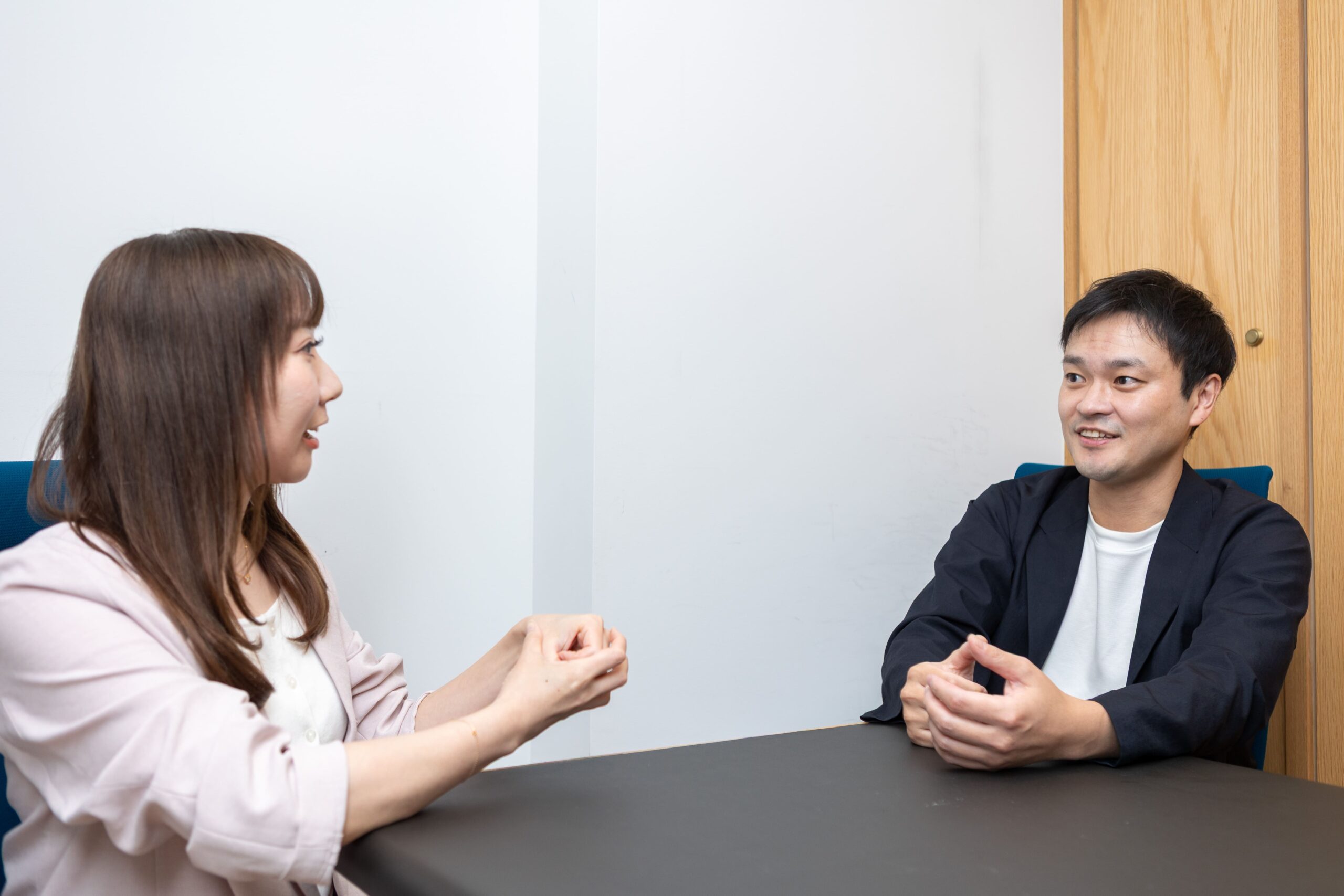
Yamamoto: What we want to achieve through this encounter is to "create a future where the aspirations of companies and investors can be shared." We want to play a role in connecting companies that are taking on challenges with aspirations and investors who want to wholeheartedly support those challenges. We believe that shareholder benefits are one means to achieve this.
And during my conversation with ASNOVA, I realized something else: the idea that "cherishing things is for the sake of future generations." I felt that we should extend our time horizon even further and re-examine our own services.
Kimura: I hope this initiative will be a small step in spreading the value of cherishing and nurturing things throughout society. When shareholders are able to connect with the intentions of the creators, their awareness when choosing and using things in their daily lives will gradually change. I hope that this change will become a cycle of richness that will reach future generations.
Our connection began with a preferential treatment agreement, but beyond that, I hope we can become partners who can work together to create a better society by refining each other's strengths and aspirations.
INDEX