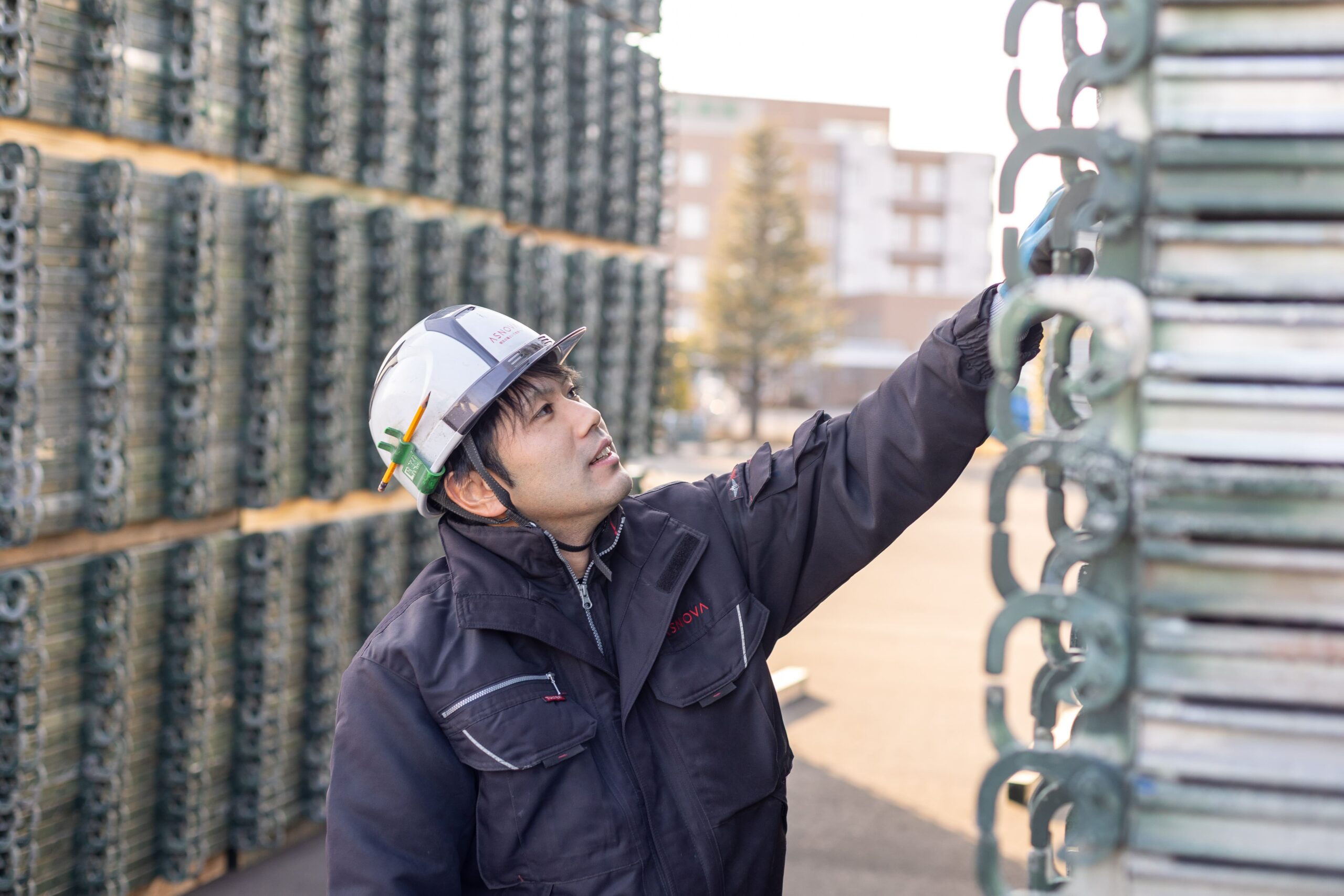





Fukushima Prefecture's first and 40th base "Fukushima Hongu Center". The potential of scaffolding as an infrastructure base
- infrastructure
- Center Manager
- Equipment Center
- Fukushima
- Kanto



PROFESSIONAL
Text: Sayaka Mitsuda
Photo: Sho Kobayashi


PROIFILE




"MEET YOUR ART FESTIVAL 2025," one of the largest art festivals in Japan, was held in Tennozu, Tokyo from Friday, October 10th to Monday, October 13th.
Now in its fourth year, MEET YOUR ART FESTIVAL is a cross-disciplinary art festival that brings together adjacent cultures, including music, fashion, and lifestyle, with art at its core. Aiming to create a forum where diverse creations intersect across genres and expressions, and to create new encounters with art, the festival offers a diverse range of content, including art exhibitions, art fairs, live performances, talk sessions, and markets, all set in the Tennozu Canal area. This year's theme is "Rediscovery." Through the festival, the festival will present diverse cultures and aesthetic sensibilities by reexamining from multiple angles the sensibilities, memories, and values that have been unconsciously passed down within Japan.
ASNOVA sponsored the art exhibition "Ahead of the Rediscovery Stream", which is one of the main contents, with scaffolding. How did the encounter between the different worlds of "art and scaffolding" come to fruition? In addition to three people, Mizuho Watanabe of Garage, who was in charge of the space design, and curators Yoshidayama and Kentaro Watanabe, we had a conversation with Satoshi Morishita of ASNOVA Director General Manager of Scaffolding Business Unit.
→ The interview video is now available on YouTube's "ASNOVA Channel"!
Text: Sayaka Mitsuda
Photo: Sho Kobayashi

PROFILE
Yoshida: The overall theme of this festival is "Rediscovery." It's not just "discovery," but "rediscovery." We wanted people to take a fresh look at the things that were always around them and rediscover their value. We chose the word "Stream" to convey the feeling of values and emotions circulating within oneself and then flowing out to those around them, like massaging lymph nodes.
Art is originally born from personal experiences and discoveries, which are then sublimated into some form. Rather than pursuing only the ideal and discarding reality, it's about how to live in the space between ideals and reality. There are things that can be seen precisely because there are limitations, and I think it's important to find a balance within that gradation.
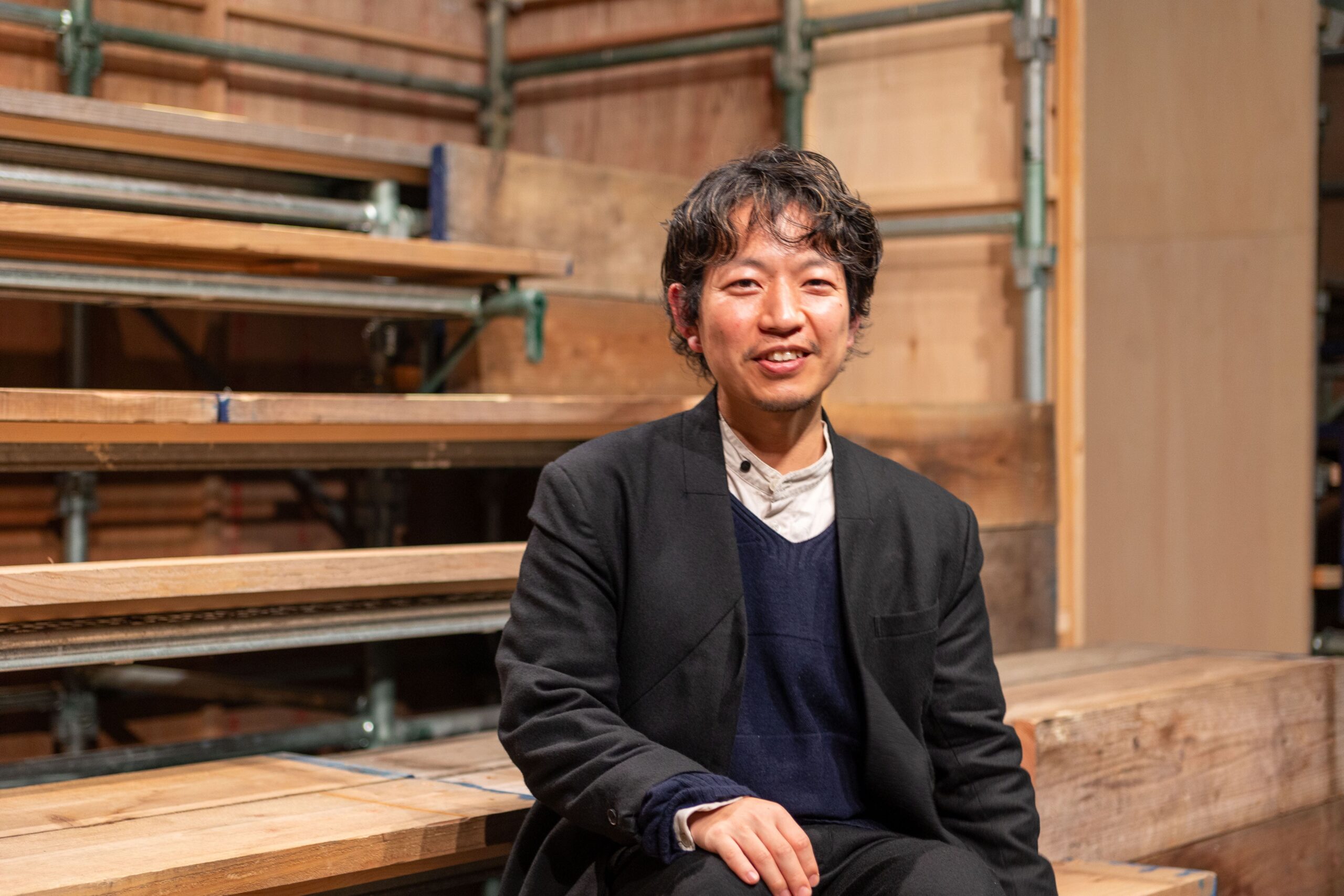
Watanabe (Ken): I'm usually based in Kyoto, and in the past few years, the number of foreign tourists has increased dramatically. However, in an effort to meet their expectations, there are times when an "excessive Japaneseness" comes to the forefront. I often find myself wondering, "Is this really the Japan we know?" That's why the theme of "rediscovery" resonated with me personally.
Through their work, artists reexamine Japanese culture and history, and from there gain new perspectives. This is not about nostalgia for the past, but looking back on it. I believe that "rediscovery" is about finding something that connects to the future.
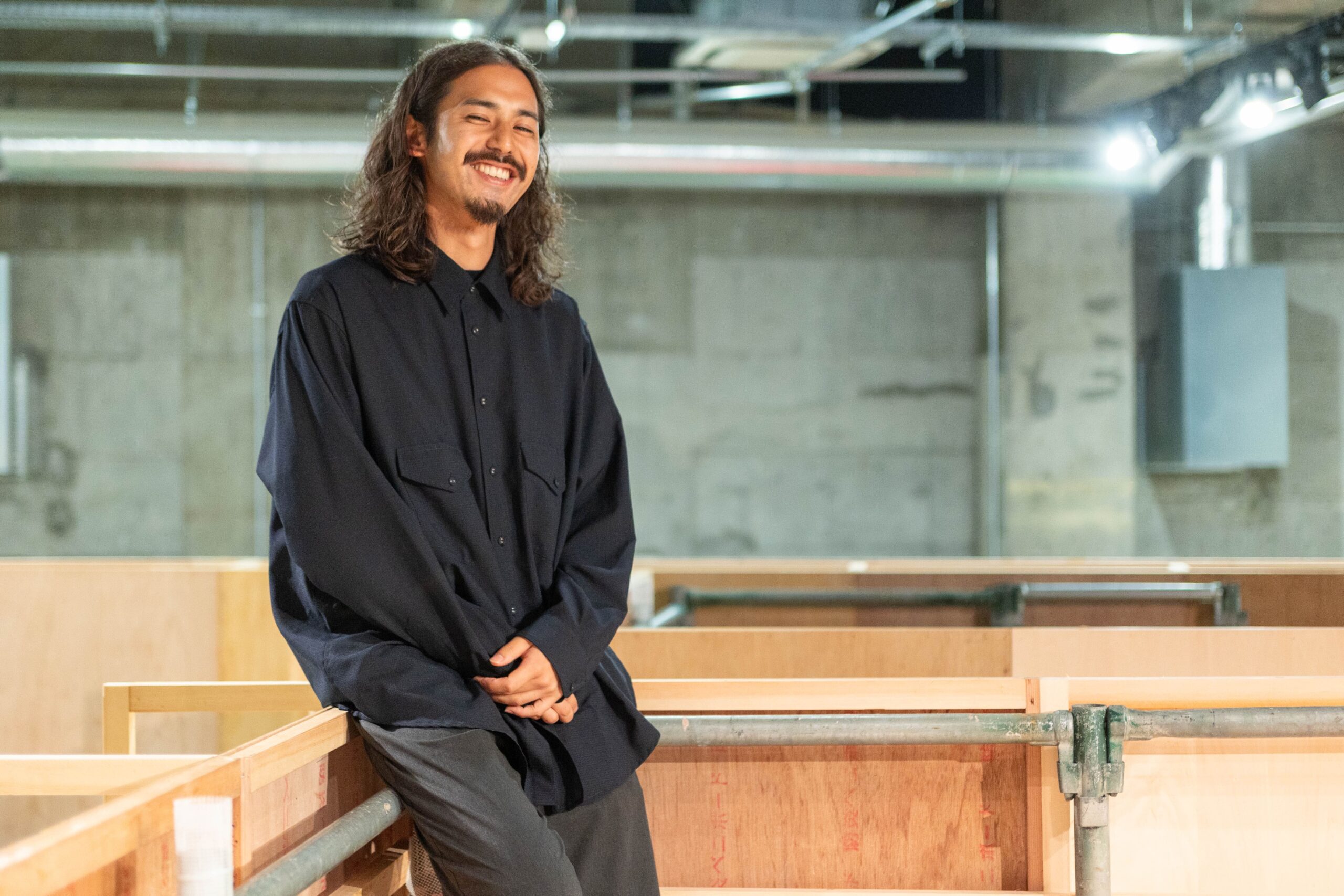
Watanabe (Mizunoo): When considering the spatial design for this project, we first conducted fieldwork on the land of Tennozu. While researching the origins of this town, we discovered that Tennozu was built as a battery during the time of the arrival of the Black Ships. The people of that time cut down the mountain in just eight months, completely transforming the landscape. We felt that "the people had the energy to pioneer an era, to the point that they were able to shape the landscape."
Looking at the current world situation, I feel that the situation is as urgent as it was back then. In such a situation, I think that the "ability to create something like a terrain" is being questioned again. As an extension of that, I think it was inevitable to use scaffolding in this exhibition.
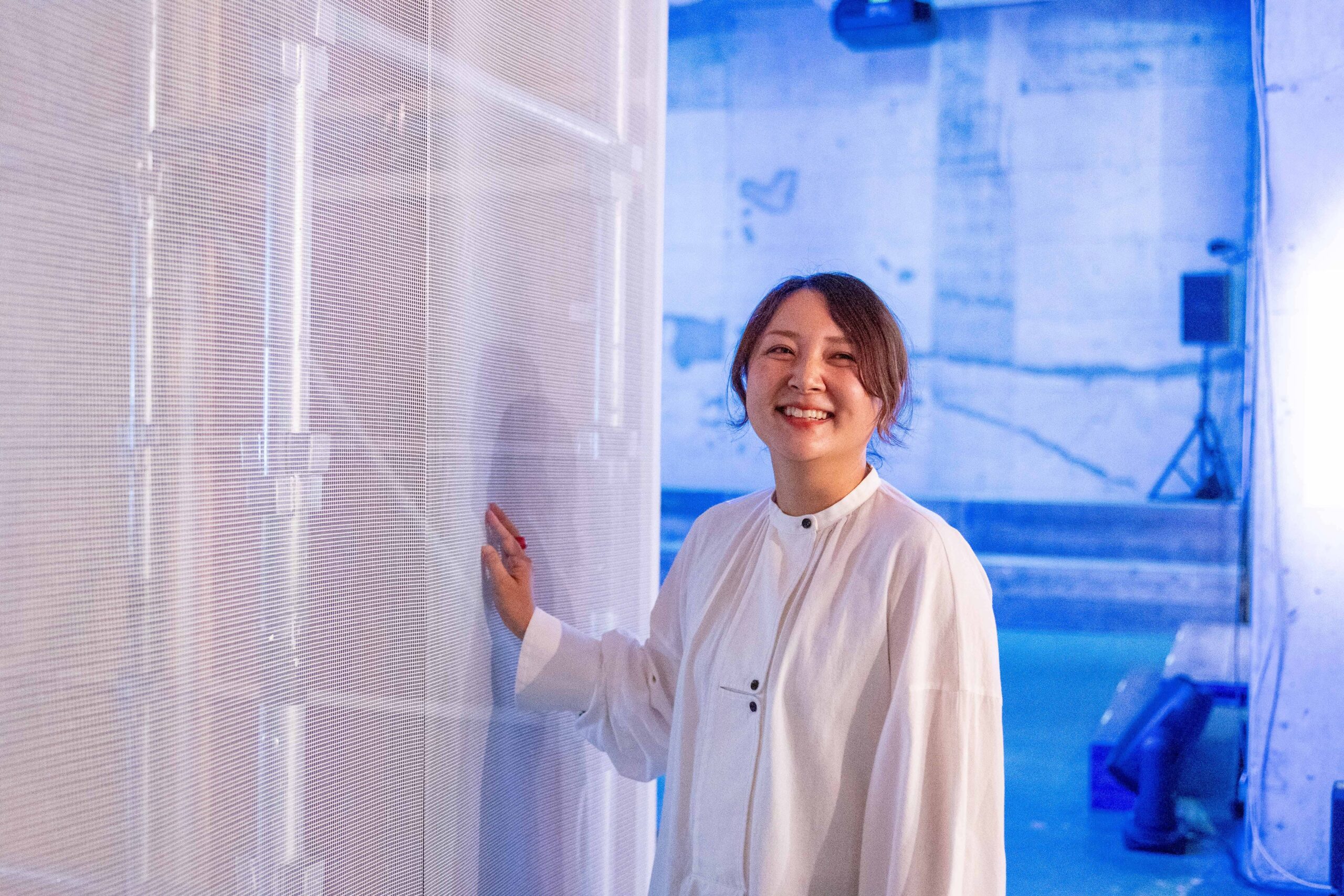
Watanabe (Mizunoo): There are three main points. First, to create a unique exhibition space for each work. Second, to create surprises and discoveries as you travel through the space. Third, to design the four-day period as a "temporary stage."
We have had experience using scaffolding to create festivals and outdoor stages in various places. Therefore, this time, while thinking about how to create a temporary stage, we naturally talked about using scaffolding.
Morishita: I'm happy that you talked about using scaffolding there. I heard that we sponsored scaffolding at an exhibition at Tokyo University of the Arts before, which led to this story. I'm happy.
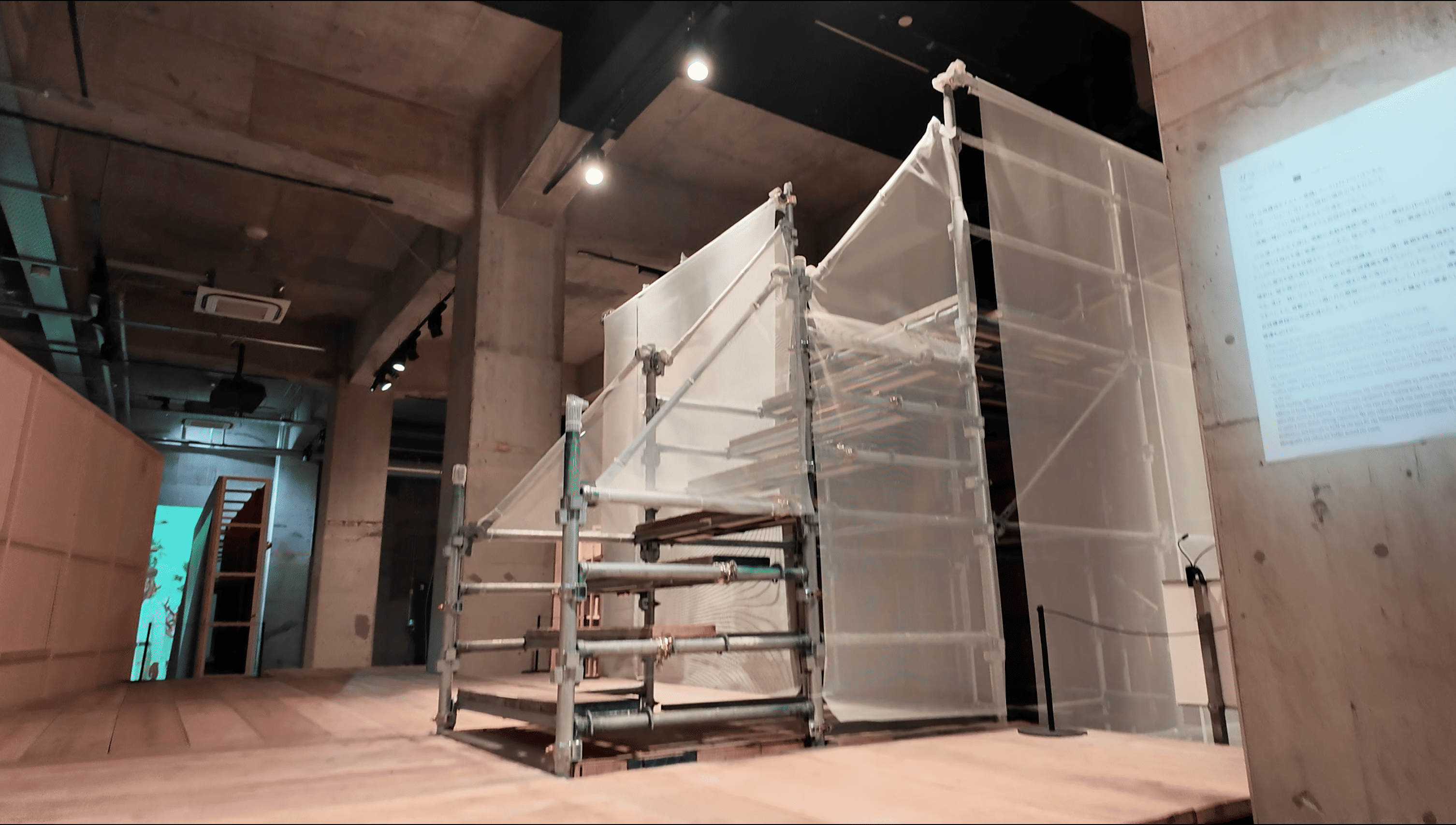
Yoshida: I've always thought that art exhibitions are the same as "creating dreams." However, at the same time, I felt uncomfortable with the large amount of waste that is generated. I wanted to create a feeling that the materials that took shape at the event would be disassembled at the end of the exhibition and set off on a journey.
This is exactly what I asked ASNOVA to do this time. scaffolding Then, it will be temporarily consolidated here, but after it is over, it will return to another site. I wanted to make the exhibition feel the circulation of materials.
Watanabe (Ken): I felt the same way. Art festivals and events are basically all "temporary." They are assembled, dismantled, and then stored again. I thought the space and costs for this were always issues. In that respect, a system like ASNOVA's, where you "borrow and return," allows for an ecological approach. I think Japanese festival culture has been like that for a long time. A stage is built just for the occasion, and when it's over, it's disassembled and stored again. I felt that it was natural for culture and art to circulate in this way as well.
I think the rental system itself was the keyword connecting art and industry.
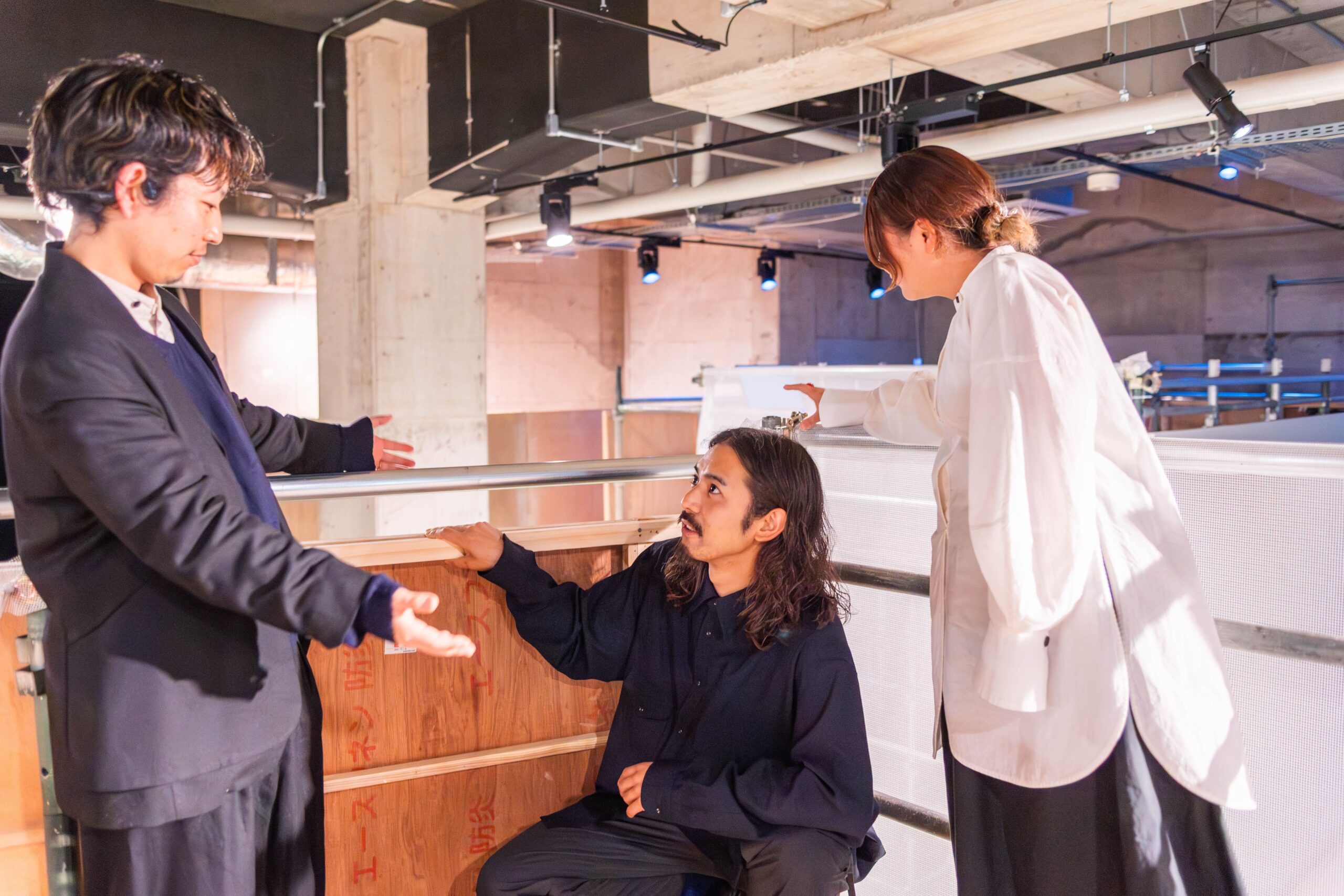
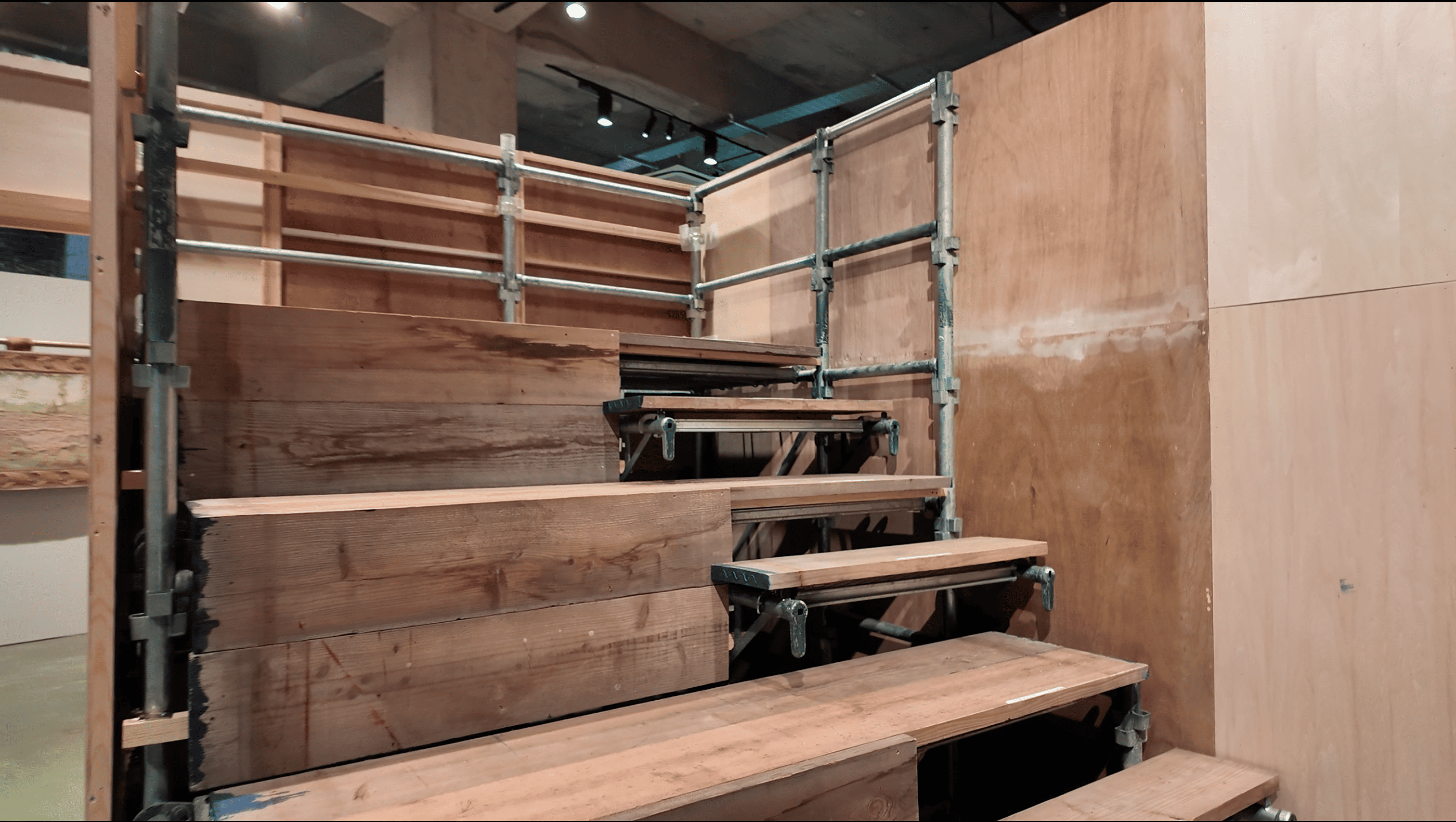
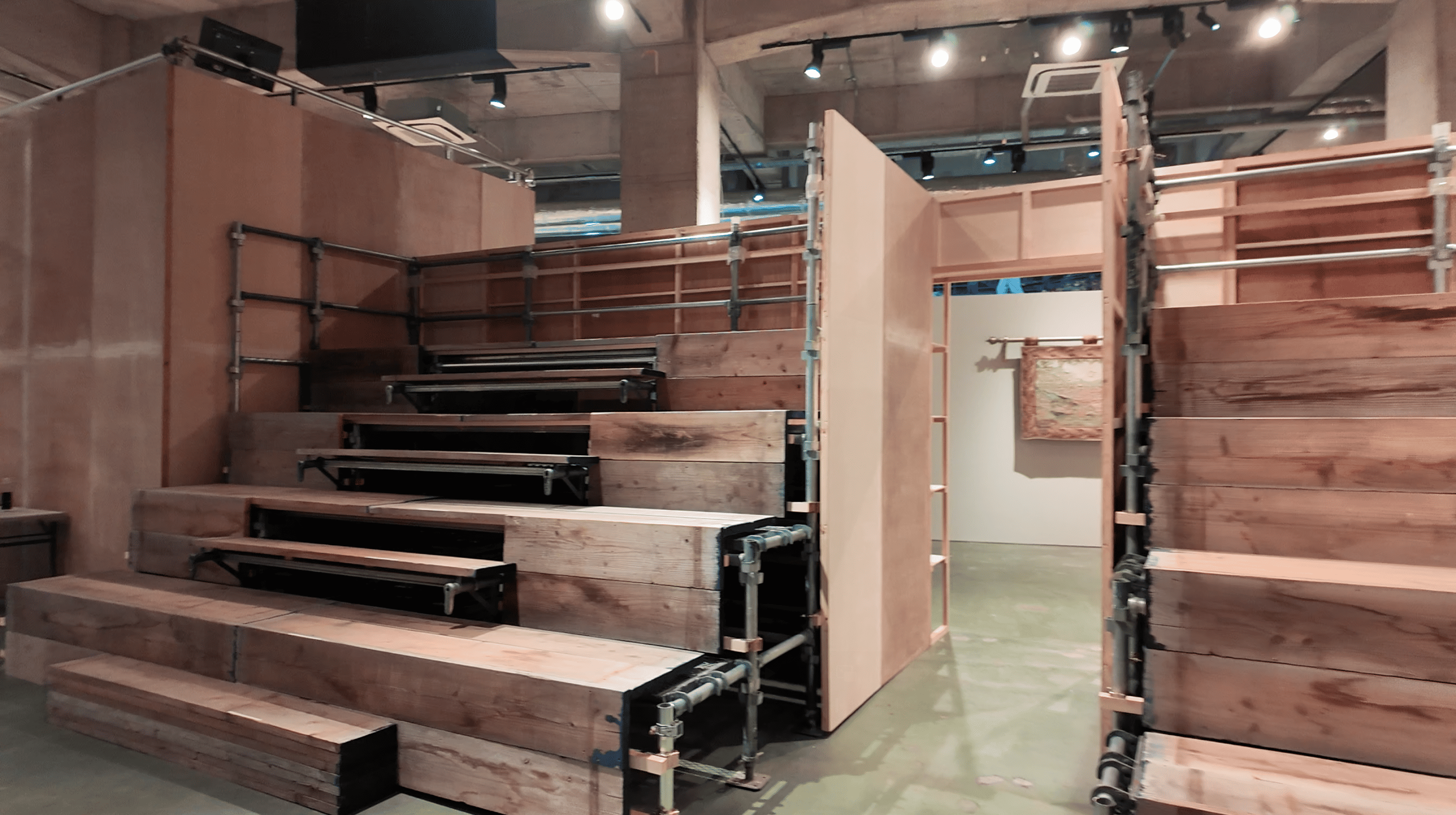
Morishita: When we exhibited at Tokyo University of the Arts, it was used as a passageway and a base, but this time it was a high-rise spatial composition, and the idea of "designing the viewer's line of sight" was fresh.
He set it up while consulting repeatedly about strength, and I felt that it was a "professional job" because of the high degree of perfection of the structure. I don't think we would have thought of such a shape on our own. scaffolding I have a strong impression that it is used at construction sites to "safely carry out work", but it may have been because of its "temporary construction" that it had a high degree of freedom and brought new value to space design.
Watanabe (Rui): First of all, I was really grateful for your cooperation. I heard about this later, but I realized that ASNOVA himself values not only the value of "lending and borrowing scaffolding" but also "going beyond the use of things", and I realized that he had the same thoughts in that area as well. That's why I think it naturally overlapped with the theme of this time.
Yoshida: From the perspective of the circular economy, too, artworks are linked to artists. When an artist passes away, updates to that work stop. In other words, it becomes a relationship of merely "borrowing and lending." But that alone doesn't bring about any change. I've been thinking about how to circulate the value of works created by artists, and I think that's also a form of circular economy. Rather than burying value, we should discover it, accept it, rediscover it for the next generation, and upgrade its value. That's what I wanted to do. Even though the things we deal with are different, I thought that what ASNOVA stands for was very similar.
Morishita: As ASNOVA, I felt that there was a possibility that scaffolding 's "place of activity" would expand. In this exhibition, there is no load like on site, and I think that the structural beauty and flexibility of the scaffolding were made the most of while the burden was low.
Watanabe (Ken): I was simply happy that ASNOVA was thinking about "I can do fun things with scaffolding". After reading various articles so far, I felt that they were thinking about how to use it other than scaffolding. You can tell that they are exploring various ways, collaborating, and enjoying it. We also value how to make use of the artist's work in space and presentation, in other words, to "enjoy the possibilities". ASNOVA is also looking for things that excite and excite people, and I felt a lot of sympathy when I could tell that they were enjoying themselves.
Yoshida: I think it's the same in art, industry, and culture: someone is inspired by what someone else has done, and another person takes action and thinks, "I'll try doing it like that." I think that this is how the seeds of the next idea are born. Our current initiative may catch the eye of someone somewhere and develop into something new. It really is like innovation is constantly happening. It means that vitality is constantly being generated. We ourselves have been energized by ASNOVA.
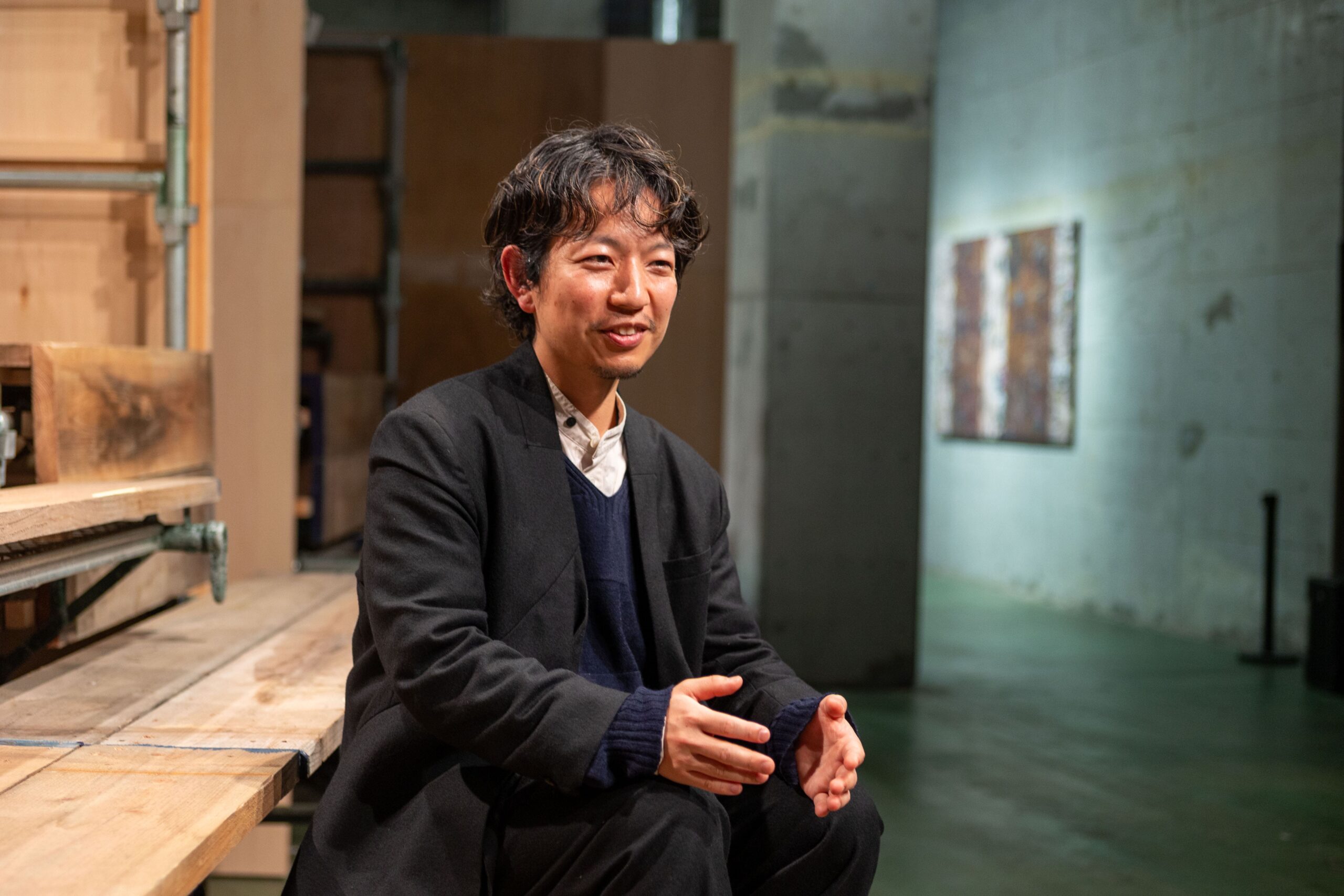
Morishita: It was a very valuable experience to be able to help the artist give shape to how he wanted to present his work. We had a lot of fun supporting him.
Watanabe: It's really important that the people who handle scaffolding enjoy being used for "purposes other than scaffolding". ASNOVA understood and accepted this proposal, so we were able to proceed with the production positively. I also feel that innovation occurred on the spot, such as "Let's do this" and "Let's do this".
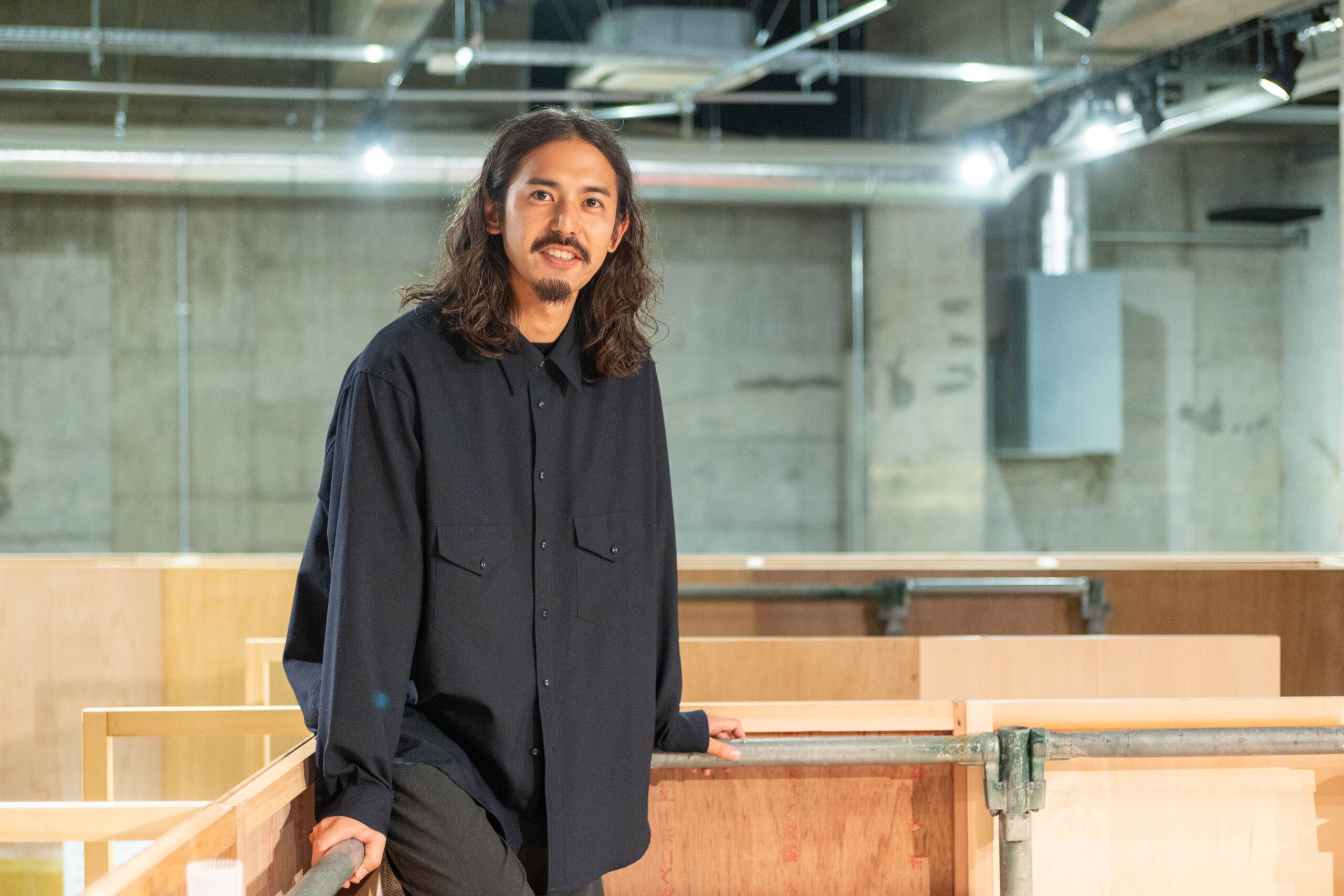
Watanabe (Mizunoo): I'm usually involved in construction sites, so I often find myself in places where life and industry are intertwined. That's why being able to embody the same thing in the art field felt like a new hope to me.
Yoshida: I think art itself can be seen as an industry. Art is created by people living in the present, and so is industry. I don't think there's a big difference. However, ideals alone won't get you anywhere, and you can't show it to anyone. It only becomes a reality when you are conscious of "who you want to show it to and how." With the help of industry, and through the hands of artists, ideals come to life before your eyes. I think art can also be thought of as infrastructure that supports society.
Watanabe (Ken): It's often said that art inspires industry. But in reality, the opposite is also true; art can be inspired by industrial movements and mechanisms. That's the kind of reciprocal relationship that art and industry have.
I think that by collaborating various projects and events centered on the infrastructure of scaffolding, like ASNOVA, we can have a positive impact on other industries. It may become a string of beads and lead to another big movement. I think it's a relationship that gives each other good synergy.
At first glance, industry and art may seem disconnected, but in fact they are connected at their core. This is usually hard to see, but through this collaboration, I feel like it has become a little easier to see.
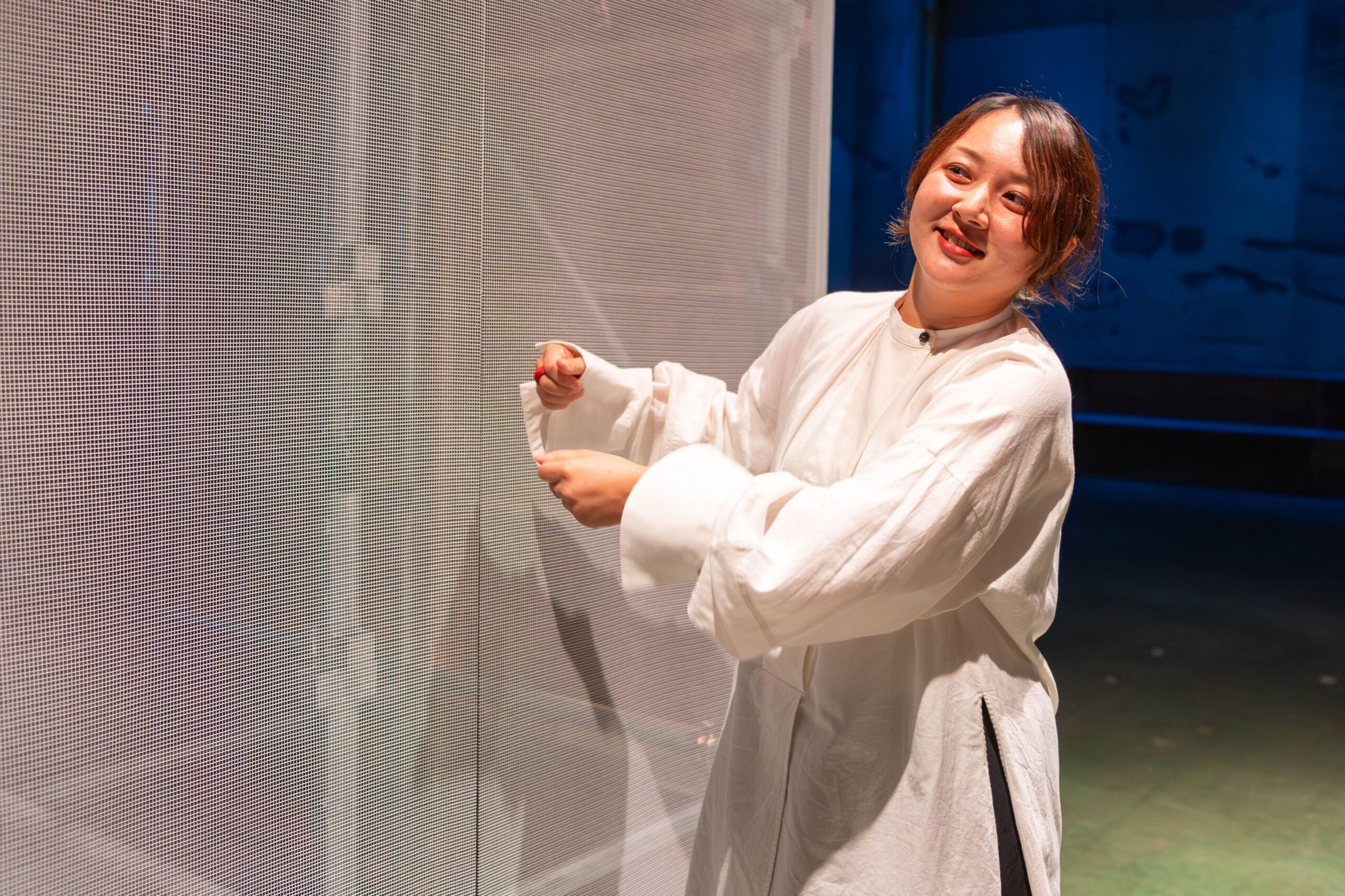
Morishita: In this exhibition, the stairs and stage structures were very beautifully made, and I think many people didn't notice that scaffolding was used in a good way. However, it may be better to convey more that "scaffolding are so active in places where you can't see it." If that happens, we will have more situations where we can be useful, and I think the number of people who can be saved will increase.
The aim of this festival was to encourage young artists to take on new roles. I think our desire to "invigorate Japan" and "invigorate young people" is something that embodies our unique style.
There are things that can be done and created because of people like us, and I believe that ASNOVA's role is to support that.
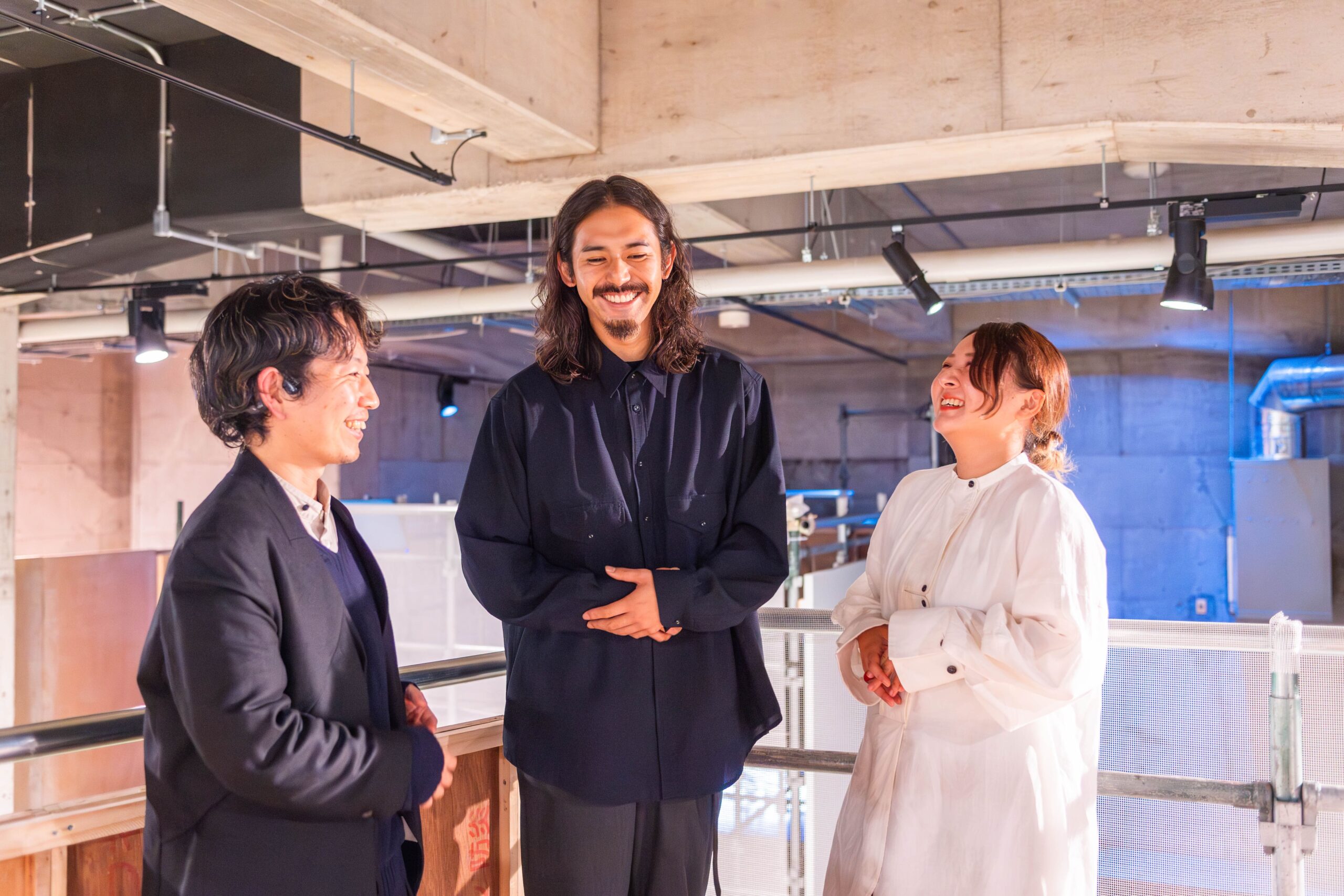
INDEX
![[Circulation Project Discussion Vol. 3] It all started with "it looks fun." Rediscovering "ASNOVA's uniqueness" from a realistic perspective](/wp-content/uploads/2025/12/250808-41-scaled.jpg)