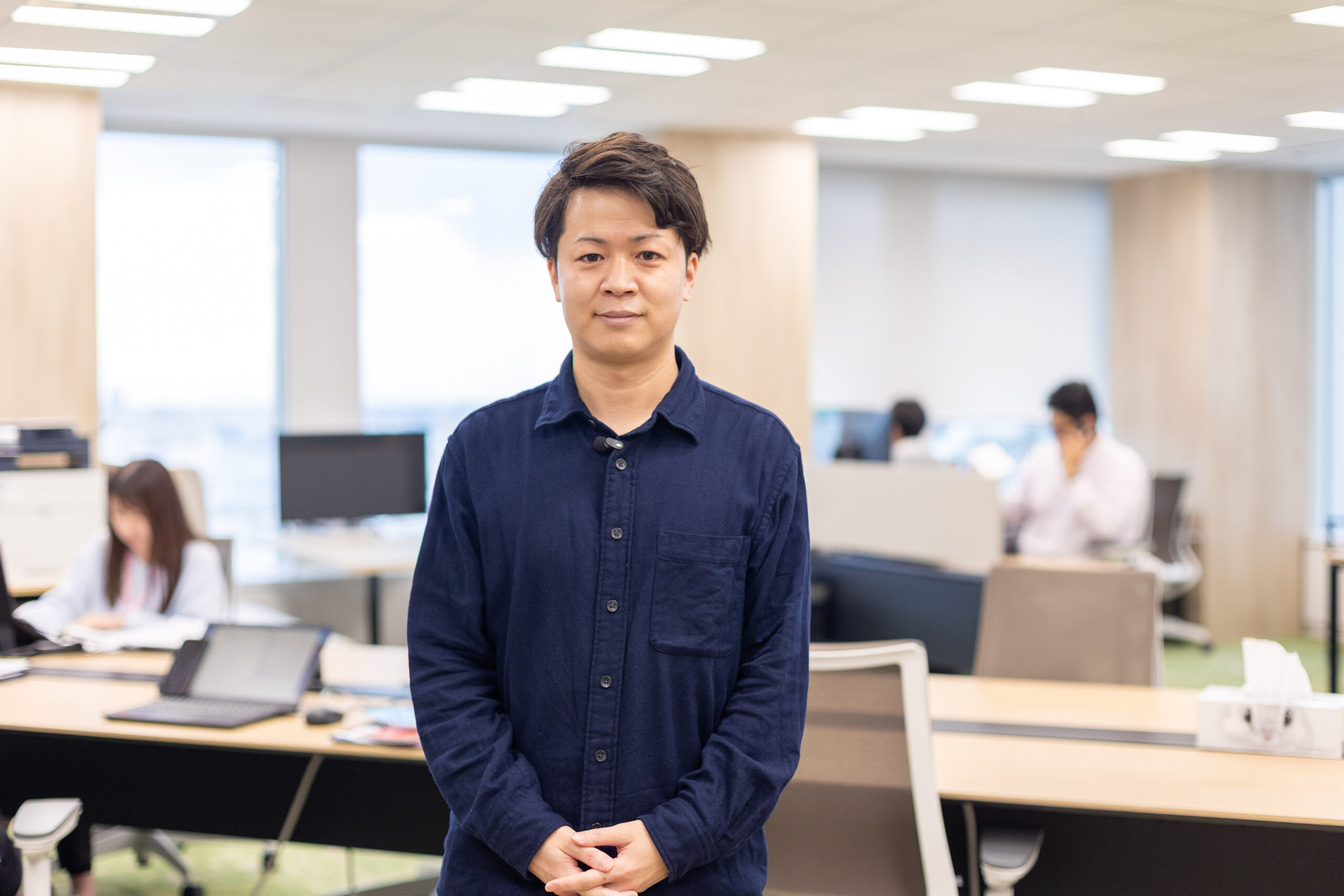
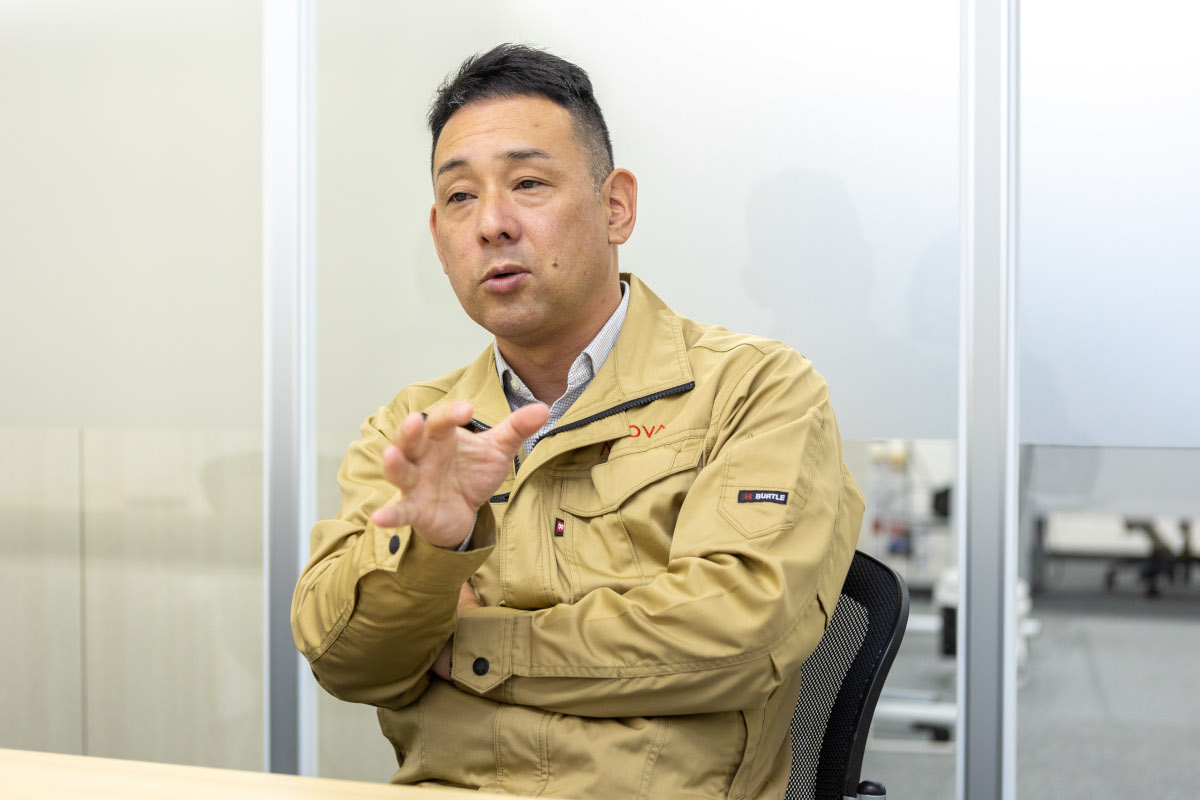
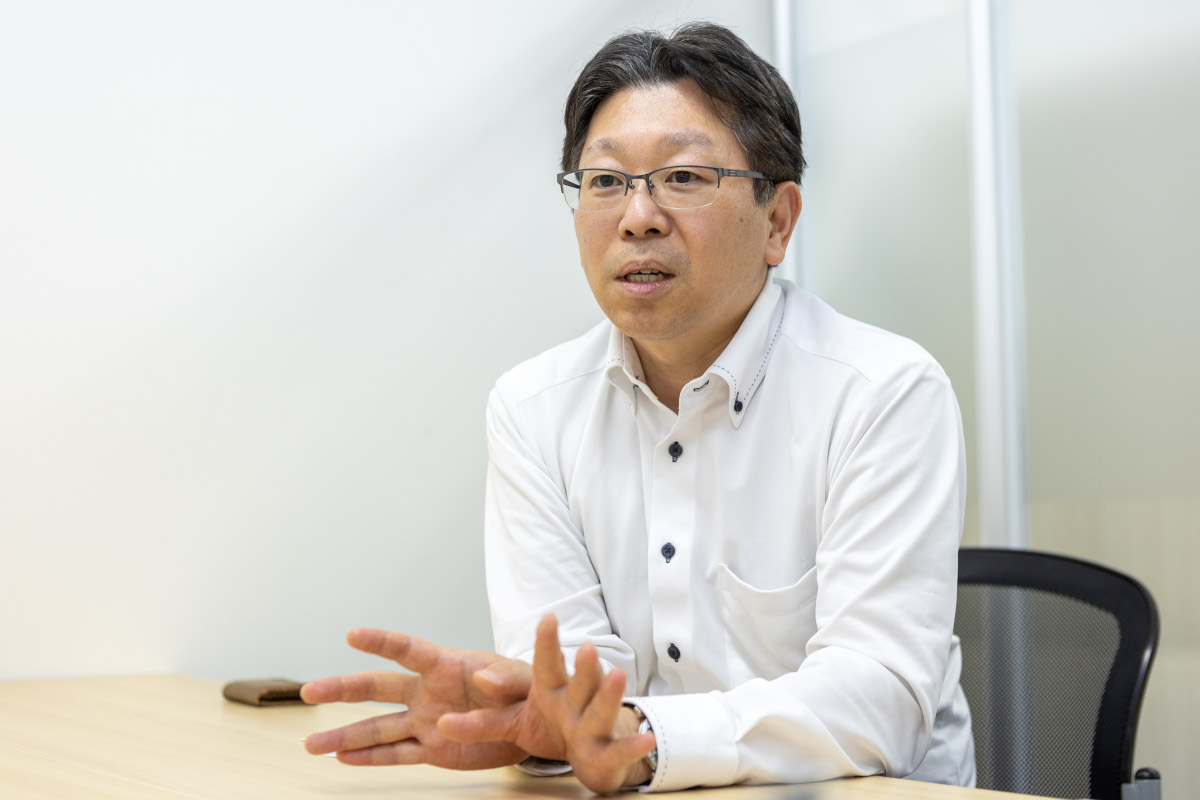
Joined ASNOVA in 2015. He was engaged in rental and sales sales at Osaka Sales Office, served as Sales Manager of Osaka Sales Office, and assumed his current position in April 2023.
Ken Nishiguchi
Joined ASNOVA in 2009. After working at the center at Kyoto Kyotanabe Center, he served as a Area Manager in the Kansai area, and assumed his current position in April 2023.
【Sales Manager × Equipment Management Department Manager Dialogue 】Scaffolding The road to achieving 2,500 rental companies
With the purpose of "Create your places of tomorrow with the power of kasetsu.", ASNOVA continues to pursue new possibilities for scaffolding through the rental and sale of "wedge binding type scaffold."
As of March 2023, the number of rental companies scaffolding has reached 2,500. However, it seems that there were various hardships and conflicts behind this joyful record.
In this issue, we interviewed Mr. Kazuyuki Takeda, Sales Department General Manager, and Mr. Ken Nishiguchi, Equipment Management Department Senior Manager, as part of a dialogue commemorating the company's 2,500th scaffolding rental contract. Although they are both in different fields of work, sales and equipment management, they both share the same essence of what is important to them.
Joined ASNOVA in 2015. He was engaged in rental and sales sales at Osaka Sales Office, served as Sales Manager of Osaka Sales Office, and assumed his current position in April 2023.
Ken Nishiguchi
Joined ASNOVA in 2009. After working at the center at Kyoto Kyotanabe Center, he served as a Area Manager in the Kansai area, and assumed his current position in April 2023.
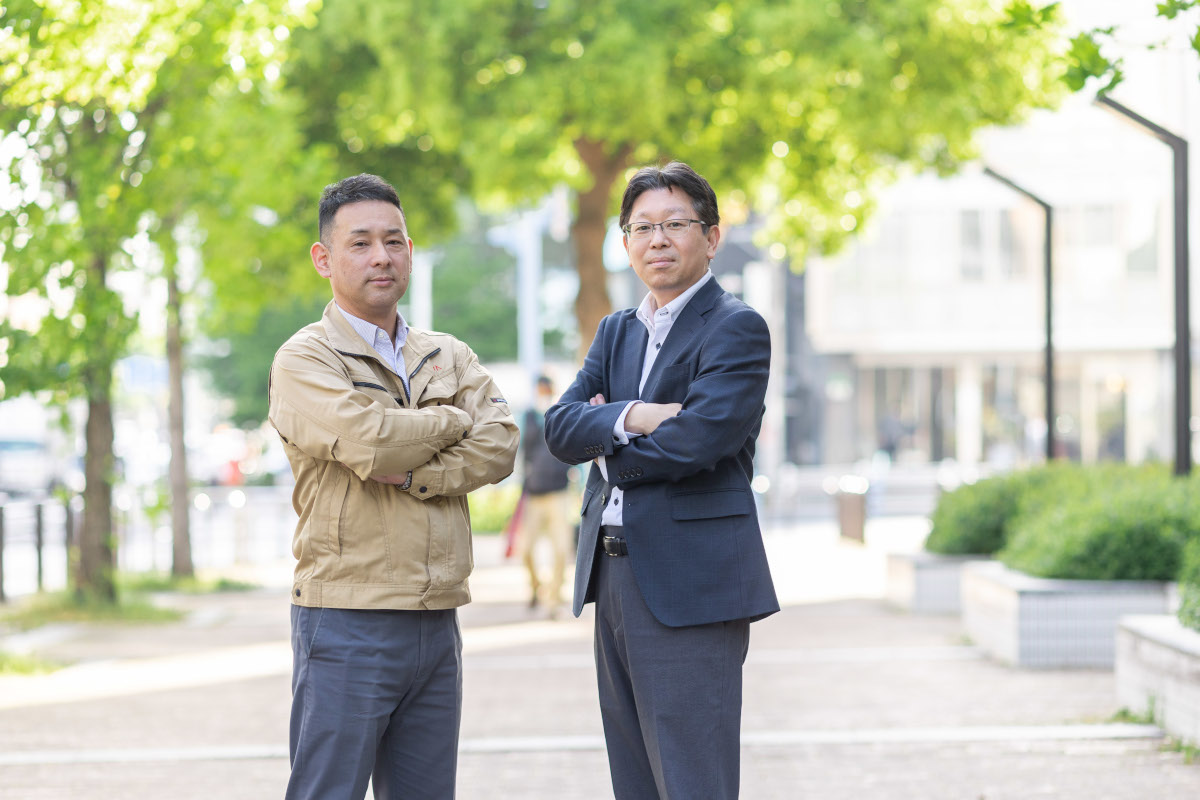
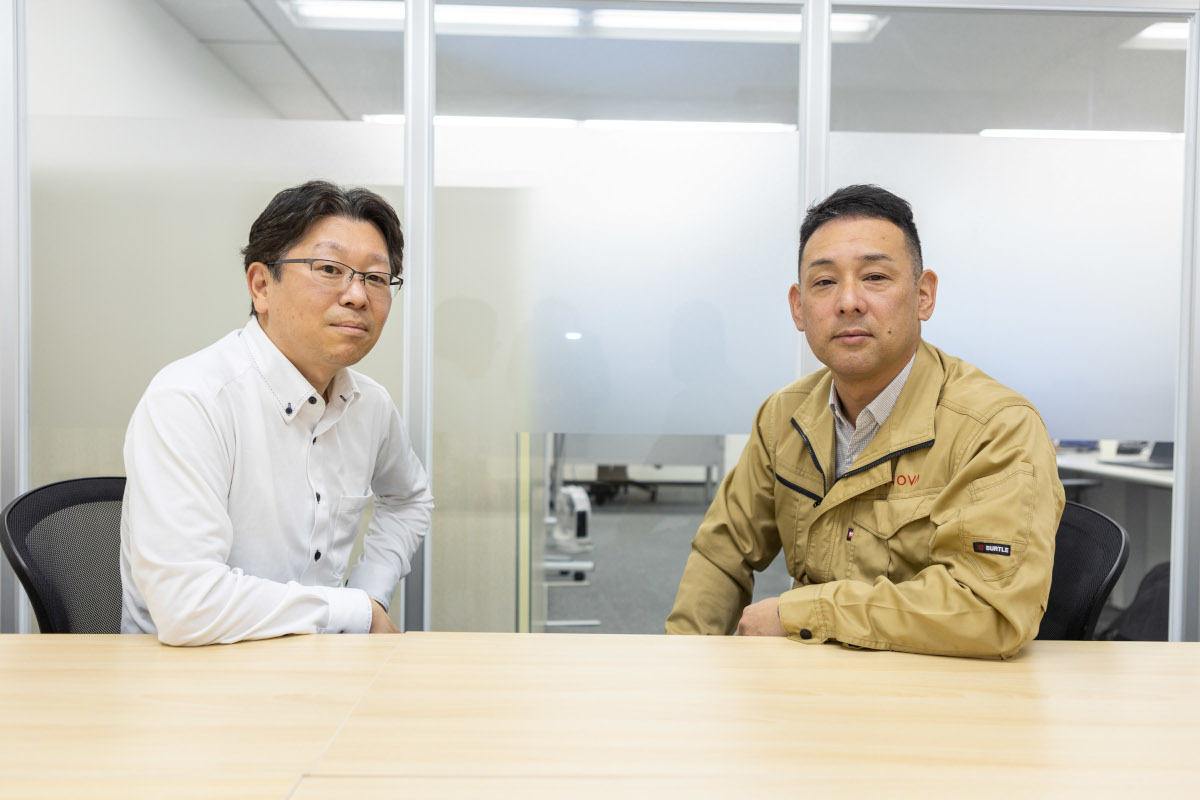
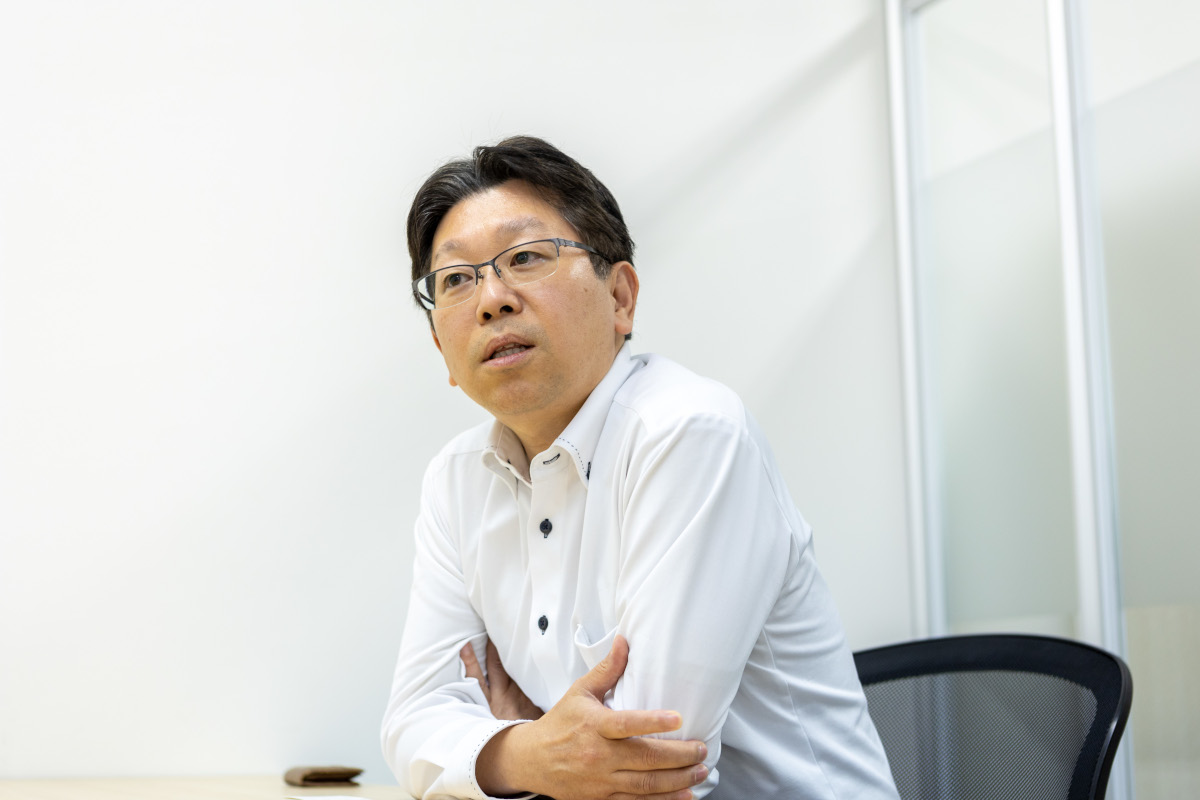
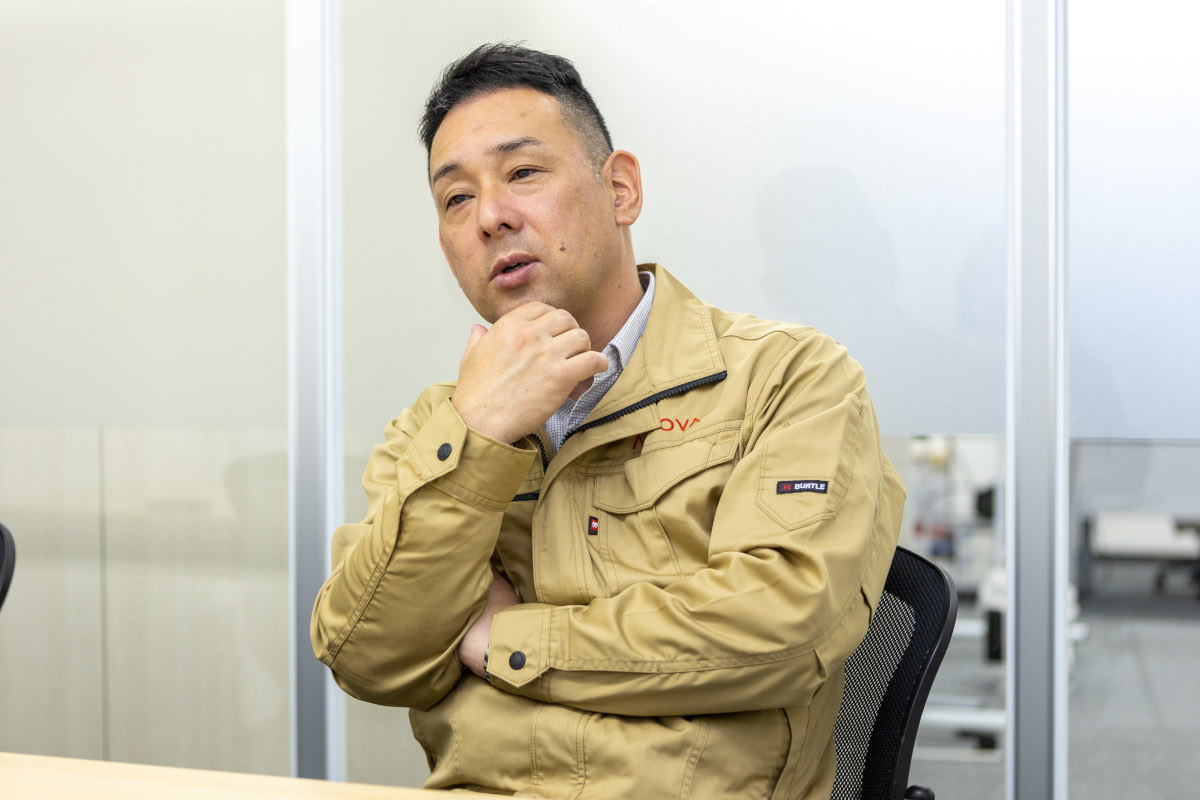
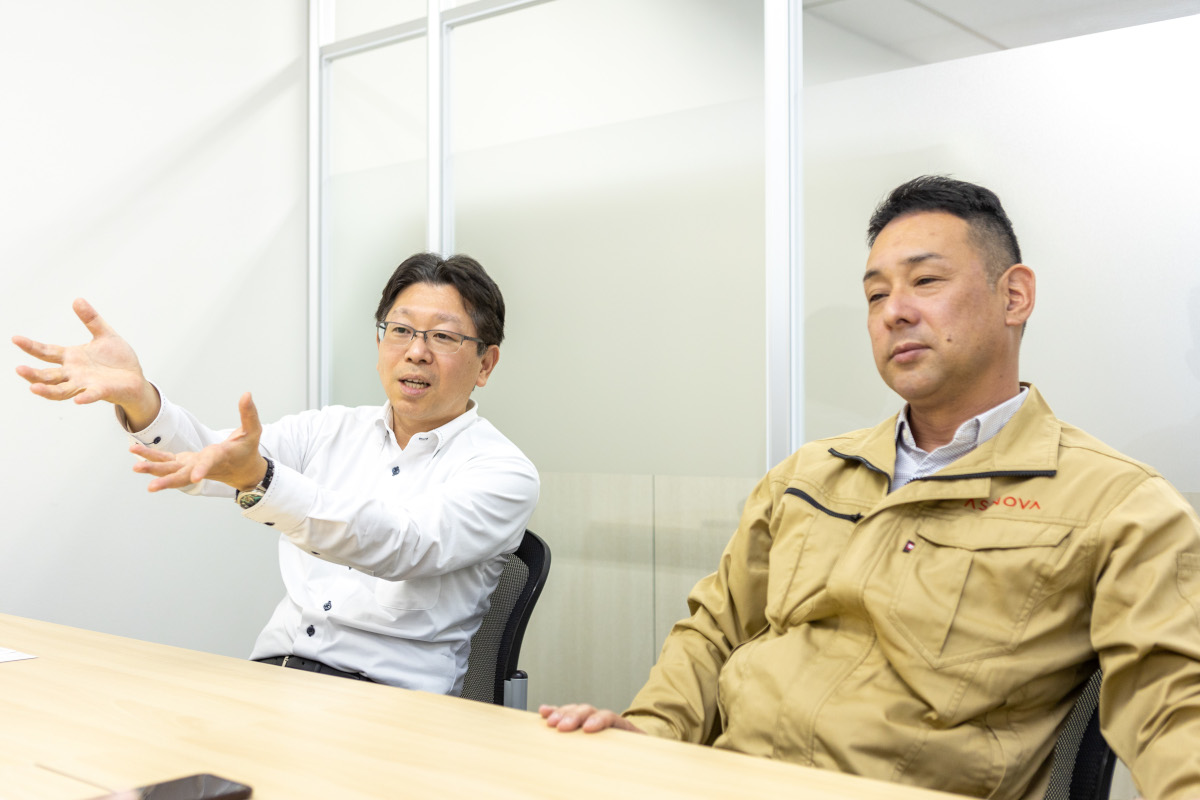
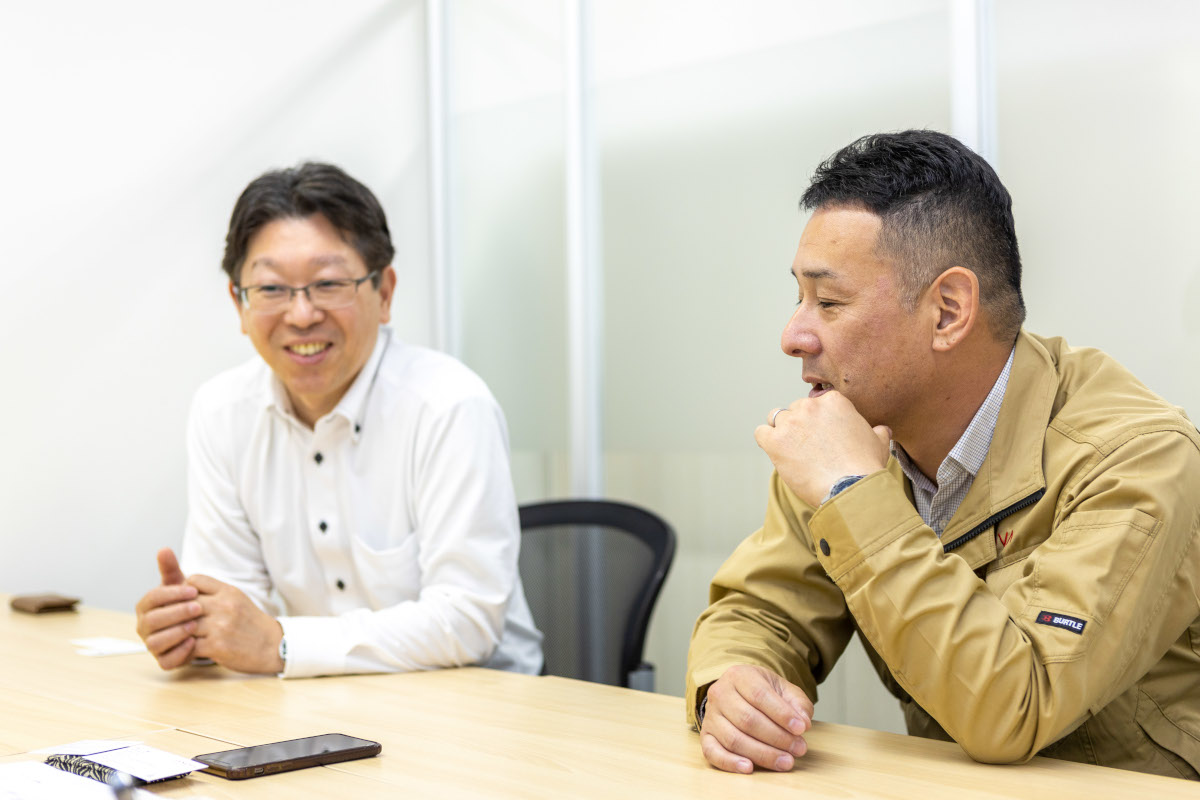
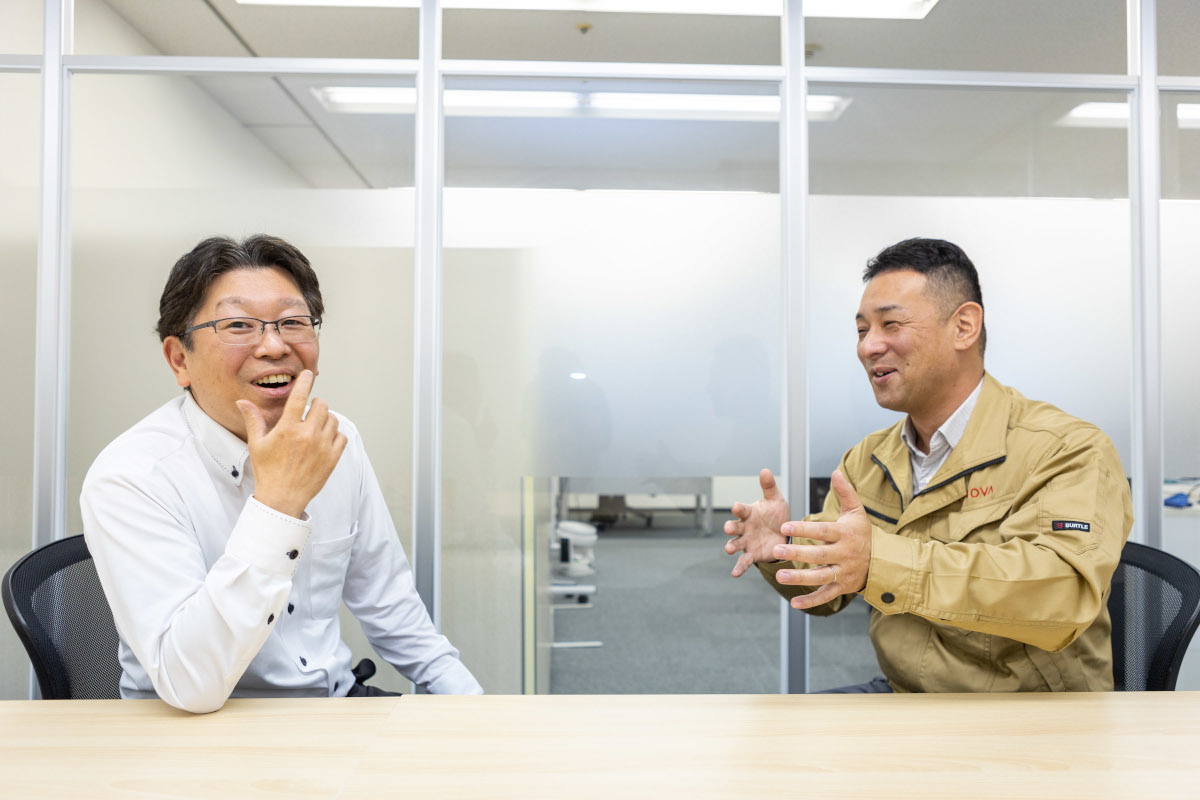
Left: Takeda, Right: Nishiguchi
Two people who have been involved in "wedge binding type scaffold Rental" from different positions
Thank you for joining us today. First, please introduce yourselves.
Takeda: I joined the company in 2015 as a sales employee, served as sales manager of Osaka Sales Office, and will be in my current position from April 2023. We have had relationships with many customers in the past, and some of them have not been contracted.
Of course, I have set goals and approached my sales with them, but I have not been particularly conscious of 2,500 companies, so I have not been signing contracts with just anyone.
We have been using both the accelerator and the brake, carefully considering how to increase sales while also monitoring credit.
Nishiguchi: I joined Equipment Management Department in 2009. Originally, I was engaged in center operations at the Kyotanabe Center in Kyoto, and then I worked as a Area Manager in the Kansai area, and now I am in charge of equipment storage and inventory management as a senior manager of Equipment Management Department.
Thank you. You two have different jobs, but what kind of relationship do you have professionally?
Takeda: I go to the customer who makes the inquiry and ask for a contract. There is a time of the year when rental shipments are concentrated. In such a case, the first thing to do is to contact Mr. Nishiguchi to check the stock of equipment. "I have a request for this kind of equipment in this quantity, what do you think? I'll let you know that the customer will cooperate with you on the sales side." I understand that Equipment Management Department is busy, and we have to respond to customer requests and increase sales as a company.
Nishiguchi: That's right. I check the schedule for the arrival and departure of equipment and tell Takeda, "This should be enough." However, if the progress at the construction site suddenly changes, the request may change.
Of course, we collect data every year, but there are many aspects of it that are difficult to predict. In those cases, we rely not only on our years of experience but also on AI demand forecasts to determine how the equipment will move and manage it.
I can't say anything unreasonable to the salesperson, and I think that's where Equipment Management Department 's skills are showcased, or where they should be controlled.
Takeda: The phrase "2,500 companies" may sound like sales results, but I really believe that the power of Equipment Management Department was significant.
Everyone at Equipment Management Department does a good job of turning the equipment, so we can conduct sales activities with peace of mind.
"2,500 companies" achieved through steady efforts
So Sales Department and Equipment Management Department worked together to achieve 2,500 companies.
Takeda: Of course, this wasn't just our achievement; the entire company worked hard to reach 2,500 companies, but looking back, a lot of things happened.
Before I joined the company, I heard that equipment center people also worked as salespeople. It means that the person who manages the equipment and the person who sells it were the same. However, as the demand gradually increased, they decided to put more effort into sales, and they created sales office. That's when I joined the company.
Nishiguchi: By separating the equipment management and sales offices, we were able to share our roles. Even so, as is still the case now, we often get calls from the sales department saying, "We suddenly got this request, do you think you can handle it?", so I think we still need to work closely together.
Takeda: There are people who make inquiries and say, "I'd like to borrow it tomorrow." Some customers seem to think that "scaffolding can be rented immediately," and when I told them that it was necessary to review documents and submit contracts and financial statements, they said, "That would be difficult," and there were times when we could not help.
Nishiguchi: Also, in this industry, there is a tendency for young people to become independent. Since they have just launched a business and cannot afford it, there are many people who rent a scaffolding every time they receive an order for scaffolding construction.
Also, this may be "Equipment Management Department there is", but when I was busy, there were times when the truck would come before the purchase order (laughs). We have built a relationship of trust by flexibly responding to such irregular situations.
You've met a lot of different customers! Is there anything that you each value in your respective roles?
Takeda: The president of the company is the one who makes the contract and interviews with the salesperson, but it is the craftsman of the company who actually goes to the center to pick up the equipment. For example, even if I tell them what they need to do, such as "I can't do this, please do this in this case" at the time of contract, it may not reach the craftsman and end up causing trouble for the Equipment Management Department.
For example, when returning equipment, we cannot tolerate reckless loading or injuring the forklift operator when unloading, so we make sure to clearly explain this and approach the contract with the attitude of "we cannot lend it to you unless you follow the rules."
Nishiguchi: The rental business is based on trust, so we want to build strong relationships with our customers.
For example, the amount of equipment loaned may differ from the amount returned. Since it is counted by humans, mistakes can occur. This can lead to negative interactions with customers and inconvenience to sales, which can be a big problem.
In order to prevent this from happening, we try to take stock frequently and thoroughly in Equipment Management Department. The official inventory is done once every three months, but in addition to that, we try to conduct it once a month as a Equipment Management Department. This is to detect problems, oversights, and differences as early as possible, which leads to thorough equipment management. And over the years, we have been improving little by little.
I believe that by completing our work as a center reliably in this way, we will gain the trust of our customers and increase the number of new customers.
Connections between people create a better "scaffolding future"
How will your work contribute to ASNOVA and society?
Takeda: I want to do work that allows me to interact with customers sincerely and clearly communicate what I can do and, for things I can't, propose alternatives.
I believe that by continuing to do such work, people will think that ASNOVA is trustworthy. Beyond that, I would be happy to see a future where "scaffolding" can be used by more people.
Nishiguchi: Rather than working on something special, I think it's more important to keep doing things day by day. I think that taking good care of the equipment and doing the work that each person is given well will lead to gaining the trust of our customers.
Equipment rental is ultimately a job of people. We work closely with the sales team to ensure work goes smoothly and comfortably. The same goes for our customers.
Takeda: That's right. Salespeople are people who are close to customers, but also ally with people within the company, and act as intermediary negotiators. I want to keep in mind the "person-to-person" interactions that are at the base of that.















![[Circulation Project Discussion Vol. 3] It all started with "it looks fun." Rediscovering "ASNOVA's uniqueness" from a realistic perspective](/wp-content/uploads/2025/12/250808-41-scaled.jpg)