




Not "moving", but "a step towards a challenge". ASNOVA Tokyo Sales Office Relocation Story
- Sales Department
- Tokyo
- East Japan
- transfer
- self-propelled organization
- Scaffolding Rental


IR
Text: Mitsuda Sayaka
Photo: Sho Kobayashi


PROIFILE




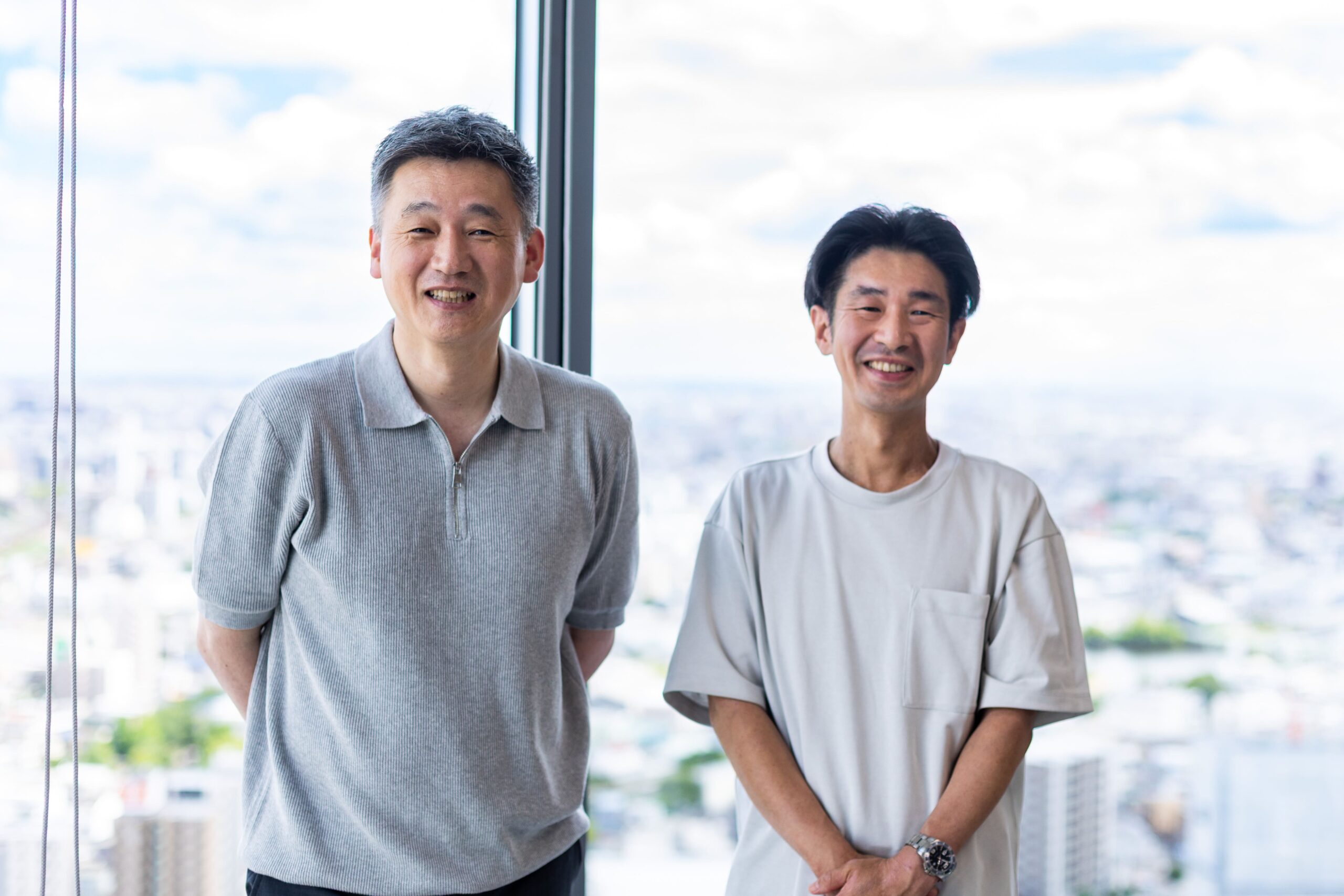
scaffolding While placing rental as the axis of profit, we will move beyond "lending and borrowing" to a system that recycles resources more. ASNOVA has further expanded its horizons to the future and has taken steps to realize a recycling-oriented society (circular economy).
In this series, we will introduce the "Circular Business Exploration Project" launched within the company for this purpose in three installments. In vol.1, we will ask Keiji Ueda President and Daisuke Kato Director General Manager of Administration Department why they have taken on this challenge now and how they plan to draw a sustainable growth curve.
Text: Mitsuda Sayaka
Photo: Sho Kobayashi

PROFILE
Ueda: For about 10 years, we have built our business on a foundation of scaffold rentals. When we looked at scaffolding as a social infrastructure, there was a clear need in the market for more scaffolding on construction sites. In particular, for wedge binding type scaffold rentals, there were hardly any other companies doing the same thing, which allowed us to maintain the top market share in the industry. On April 21, 2022, we were listed on the Nagoya Stock Exchange NEXT Market, and on December 25, 2023, we achieved a listing on the Tokyo Stock Exchange Growth Market.
Since then, we have taken on a variety of new businesses to continue meeting market needs. To evolve with the times, it was essential for us to remain a company that responds to those needs.
From 2024 to 2025, we also began pursuing M&A—something we had never done before. Through these experiences, we’ve learned so much, such as how to face new challenges and how to rethink the structure of our organization. These opportunities allowed us to take an objective look at what our company truly represents.
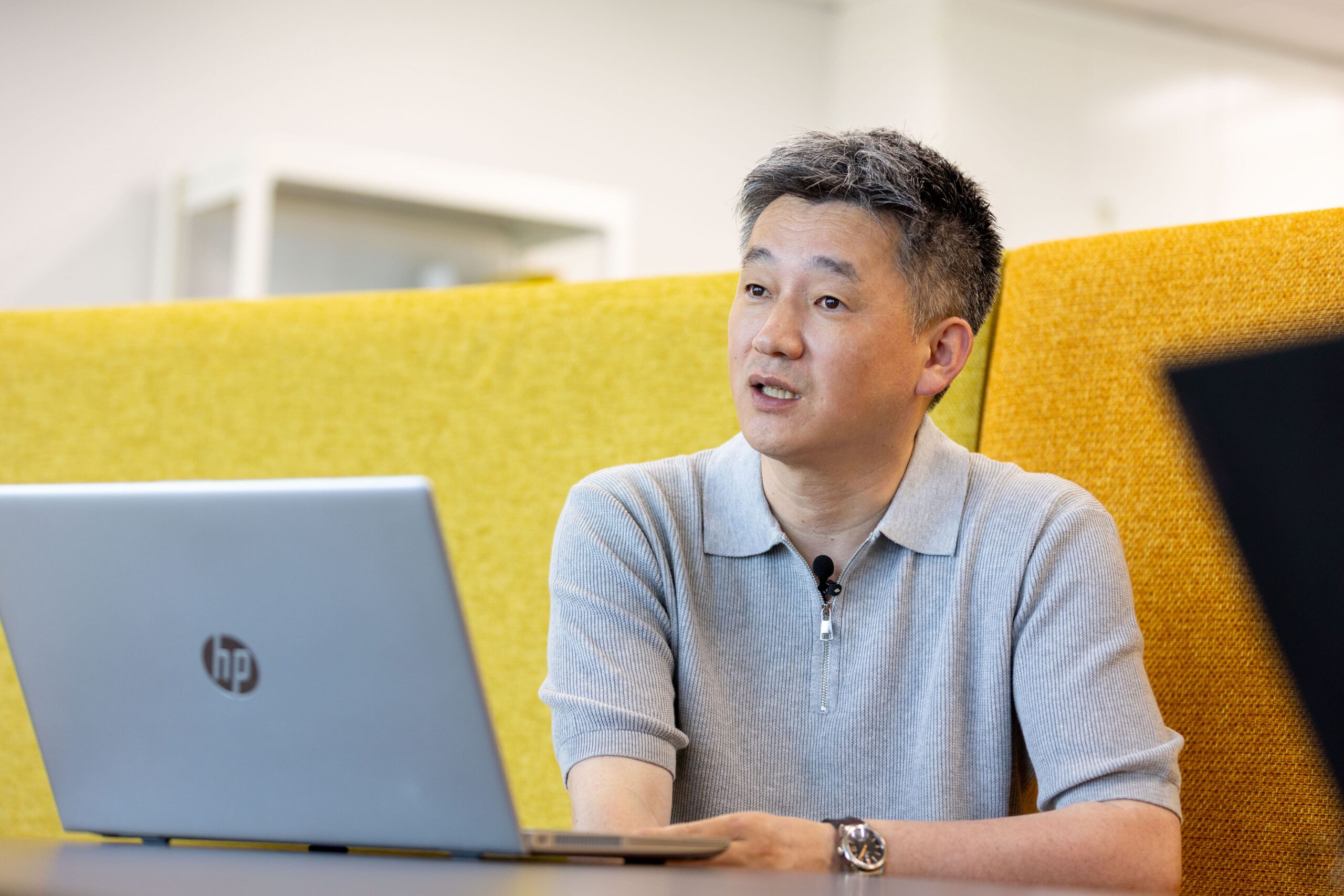
Kato: I believe the atmosphere within the company has changed significantly. Before we went public, the prevailing mindset was more about “carefully refining what we already have.” However, after the listing, the number of things we needed to do kept increasing, and I think we became more proactive in taking on challenges where “you never know until you try.”
When you take on something that no one has ever done before, there’s no way it will go perfectly from the start. That’s exactly why we’ve built up an internal culture of learning from experience—like, “Here are the things to watch out for when trying something new.” This has created an environment where people feel encouraged to “go ahead and try, even if you fail.”
As for me, I’ve also made it clear that employees can speak up about any difficulties they’re facing. As a result, I feel that the psychological barriers have been greatly reduced.
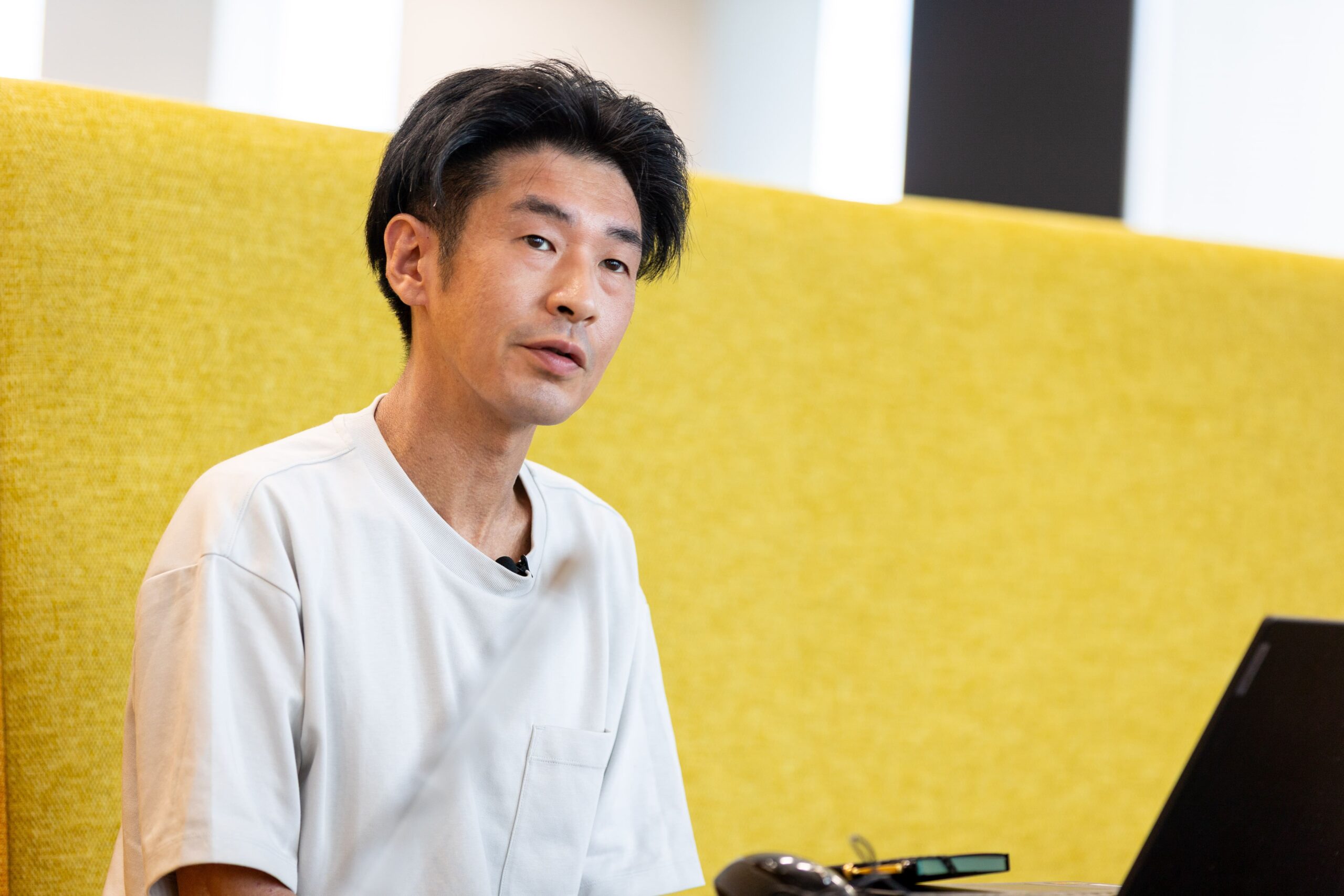
Ueda: Of course, it's true that our business had been going smoothly up until now, but I began to feel strongly that we couldn't continue like this. No matter how much we responded to change and customer needs, if we remained limited to improving the efficiency of lending and borrowing, it became increasingly difficult to see the future that lay ahead. What we aim to be is a company that strives for sustainable growth while building good relationships with stakeholders. I believe that stakeholders include not only customers and business partners, but also future generations.
Because we have a real sense of urgency that we might be exploiting the interests of future generations for the benefit of the present.
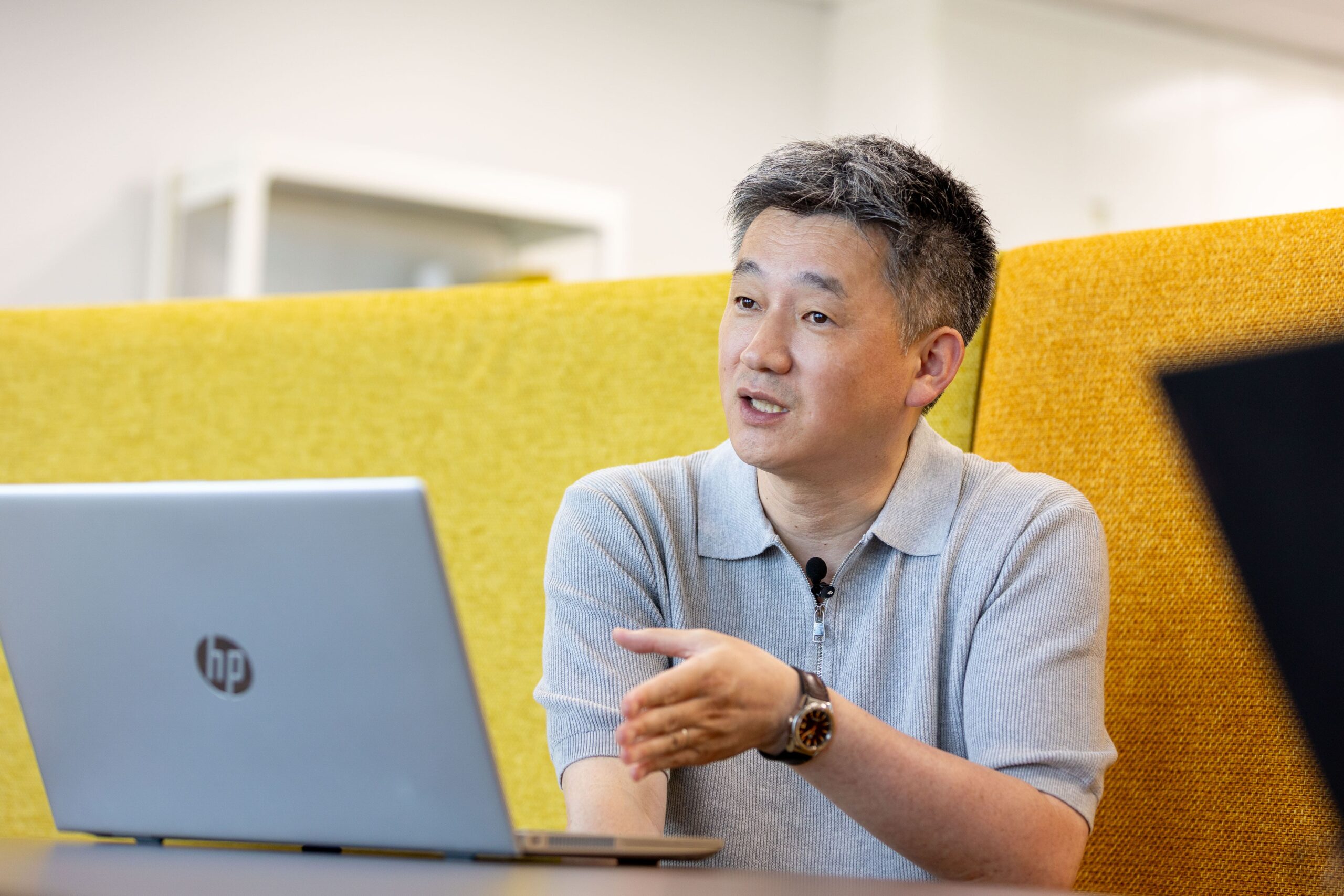
There is a saying that “land is something entrusted to us by future generations.” In the same way, if we manage our business in a way that exploits the future, we cannot truly claim to be building a good relationship with it. That is why we have come to design our business not only with visible factors in mind but also considering the unseen future.
I believe that continuing our scaffolding rental business has allowed us to recognize the need for a circular business model. How can we circulate finite resources meaningfully and without waste? While we have always thought of our work as a good business, this has given us the chance to re-evaluate and truly appreciate the significance of what we have been doing so far.
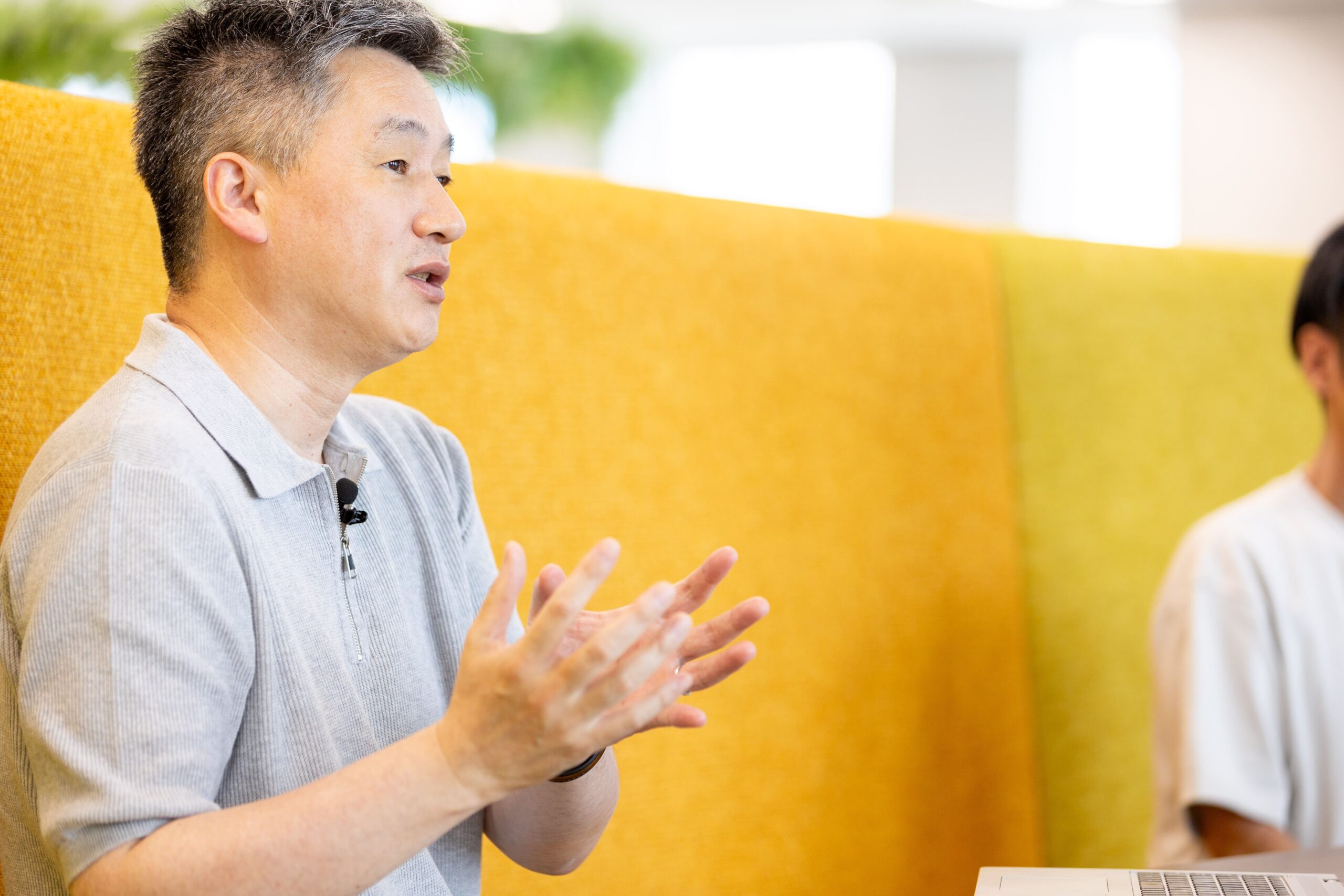
Ueda: Japan has traditionally been a country with a circular culture. For example, during the Edo period, it is said that there were as many as 4,000 second-hand clothing shops in the city. People used clothes down to the last rag or scrap. In this way, our ancestors were already practicing a business approach that valued limited resources and used them thoroughly. For us Japanese, initiatives for the environment and circularity are not something new—they are, in a sense, at the core of our identity.
Kato: That’s right. When we hear the term “circular,” it often conjures images of cutting-edge, smart solutions, but I feel it’s closer to a “return to human values.”
While digitalization continues to advance rapidly, it’s still essential to value face-to-face connections and the trust between people. This applies to our “Circular Business Exploration Project” as well. We deliberately emphasize repeated face-to-face discussions. By combining these long-valued traditional approaches with the emerging values of today, I think that’s what really defines ASNOVA’s unique character.
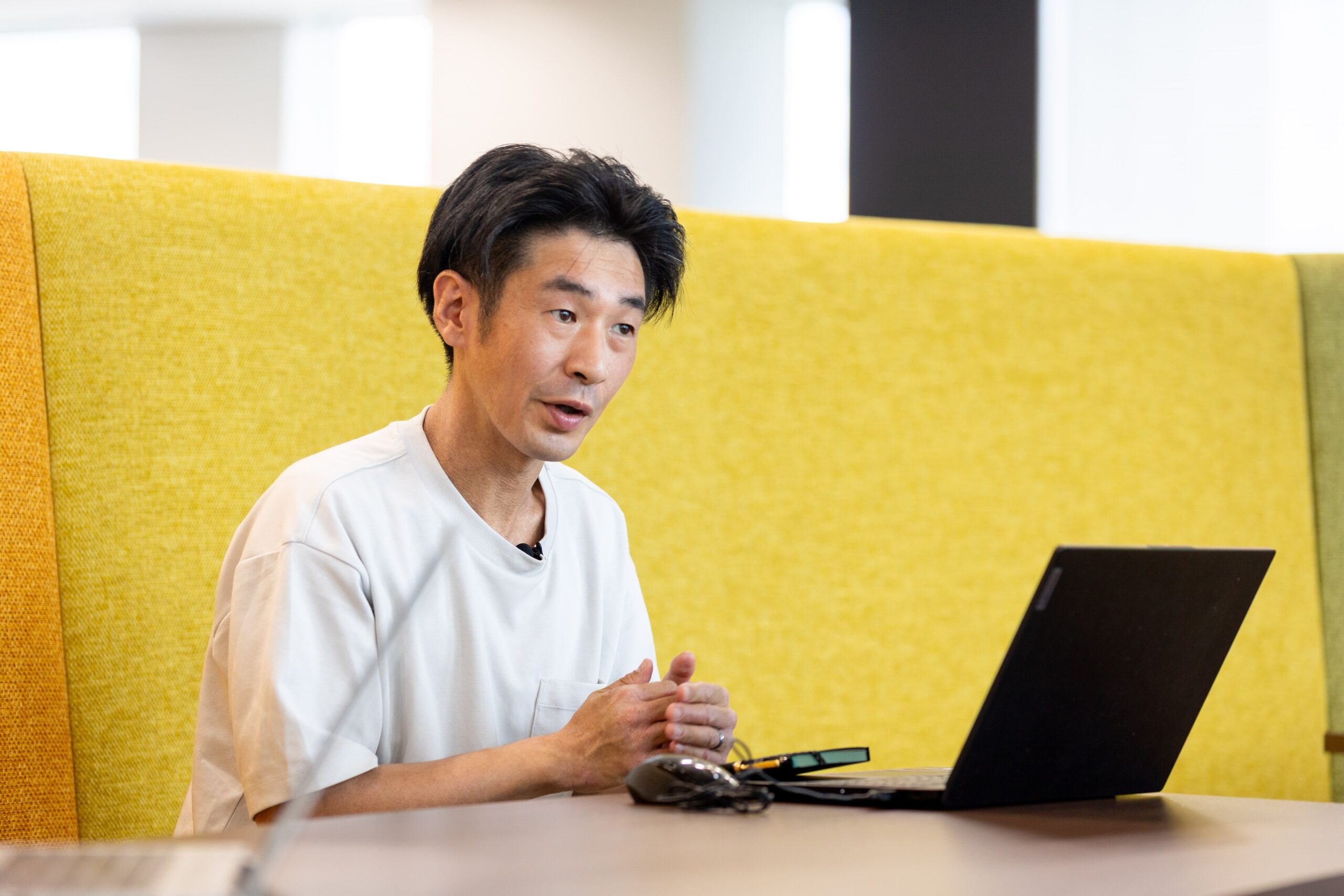
Ueda: People often say that we don’t quite fit the mold of a typical scaffolding company. But I don’t see that as a bad thing. In fact, I think it’s precisely because we are willing to do things “unlike the norm” that we’re able to take on a variety of challenges.
In fact, even with this M&A, we heard a lot of comments like, “Why is your first M&A with an overseas company? Why not a domestic one?” Ordinary listed companies wouldn’t do this, but we deliberately chose to take that path. People say, “You’re unusual,” yet also, “But I can see ASNOVA actually doing it.” I think that willingness to be different—this sense of “ASNOVA-ness”—is one of our greatest strengths.
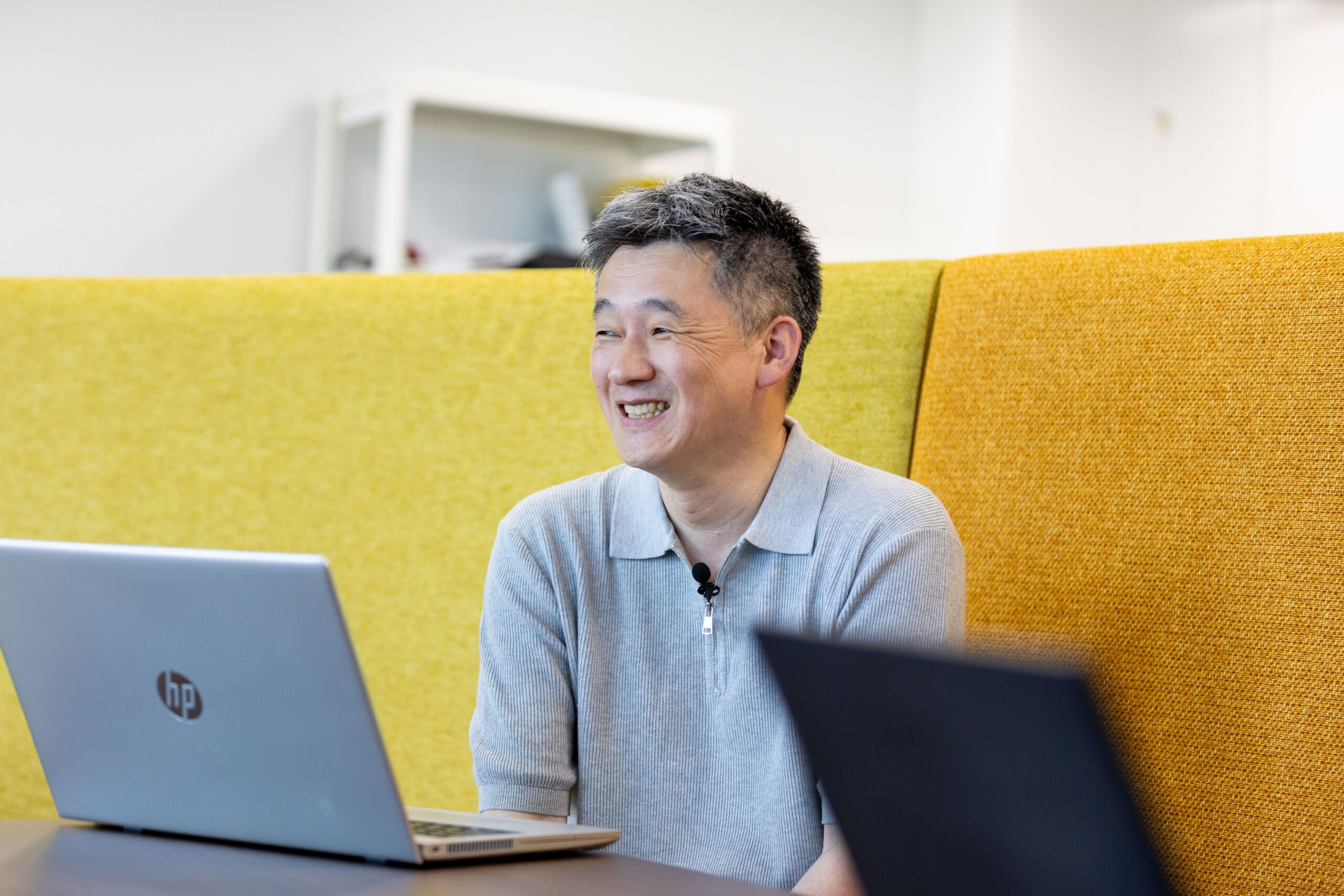
Kato: I feel that ASNOVA tries to exist at the boundaries between industries. Rather than living strictly as a “typical company” in the center of our industry, we deliberately position ourselves at the edges, encountering new things and finding our own place. I believe that this flexibility is one of ASNOVA’s greatest strengths.
Ueda: We want to take the accumulation of what we’ve done so far as our strength and continue to take on challenges that only ASNOVA can tackle. The “circular business” is exactly such a new foundation. And this isn’t something that only a few people should think about—it’s about building the future together, across generations, roles, and genders. While sharing the overarching direction set by our purpose and vision, we want to be a self-propelling organization where each individual can think and act on their own.
Kato: In today’s world, change happens so rapidly that we might not always have the luxury to “pause and reflect” like we did before. That’s why I think it’s important to sometimes “think while running.” I hope everyone continues to reassess the meaning of their work through discussions with others and consider how they can fulfill their roles in an ever-changing organization.
Ueda: Right now, the “Circular Economy Project” has just begun. I’m personally excited to see how it will evolve and to enjoy the process of change myself.
INDEX
![[Circulation Project Discussion Vol. 3] It all started with "it looks fun." Rediscovering "ASNOVA's uniqueness" from a realistic perspective](/wp-content/uploads/2025/12/250808-41-scaled.jpg)