




RECRUIT

Text: Sayaka Mitsuda
Photo: Sho Kobayashi

  • Facebook
  • Twitter

PROIFILE

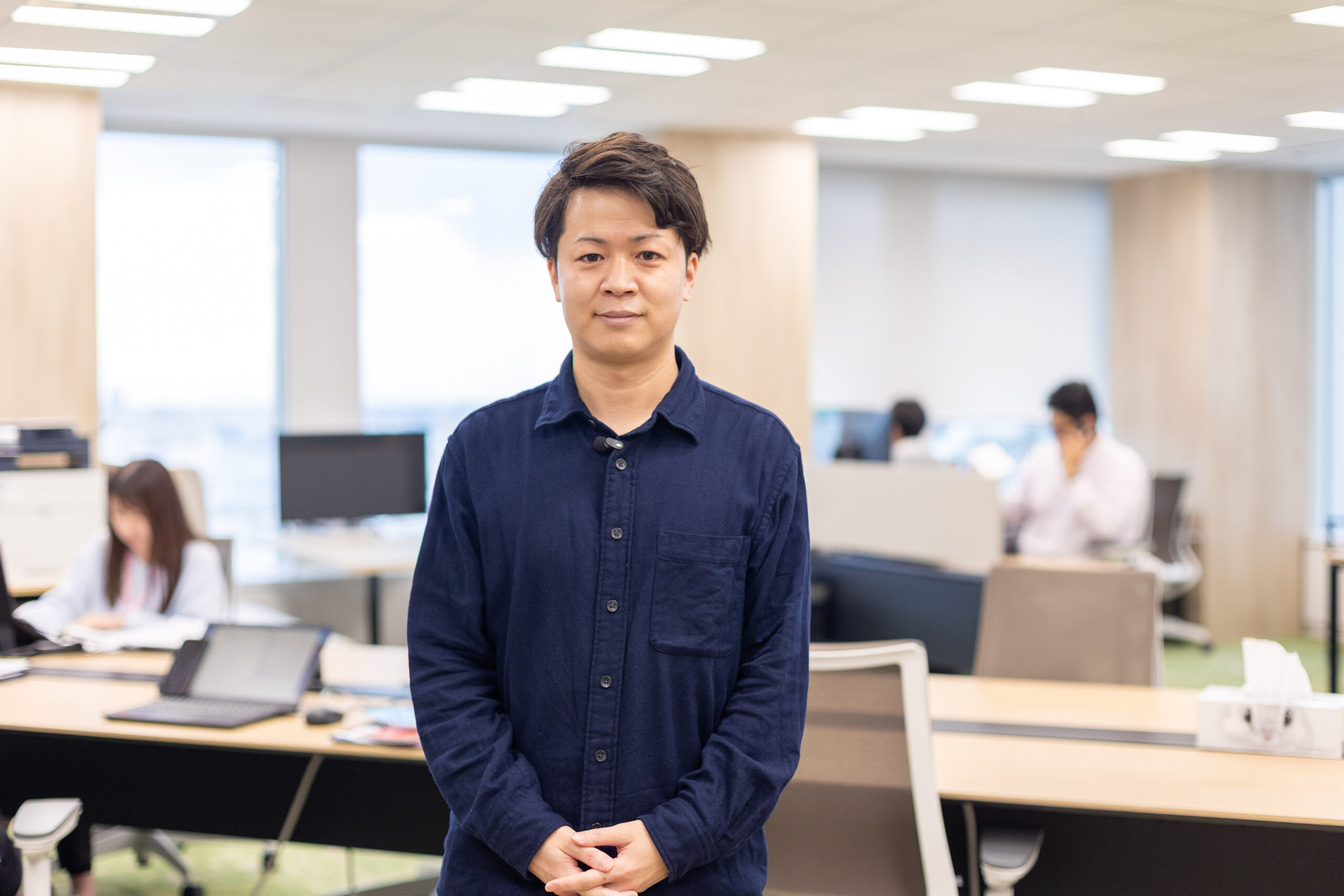
Shinya Ito
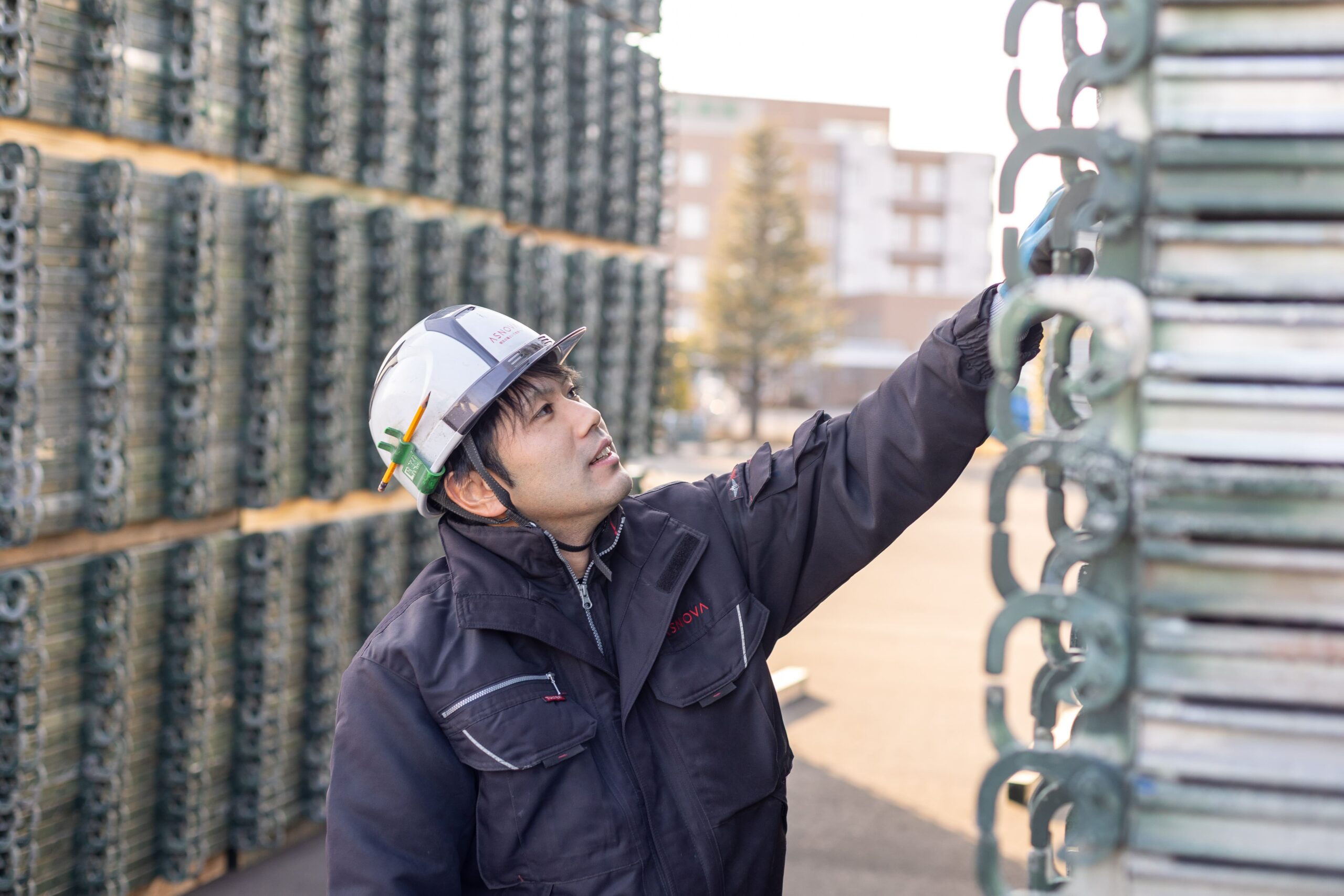
Sales Manager, Tokyo Sales Office of ASNOVA Co., Ltd. As sales manager of Tokyo Sales Office, he is responsible for the rental and sales wedge binding type scaffold in the eastern Japan area.
RECRUIT

Not "moving", but "a step towards a challenge". ASNOVA Tokyo Sales Office Relocation Story

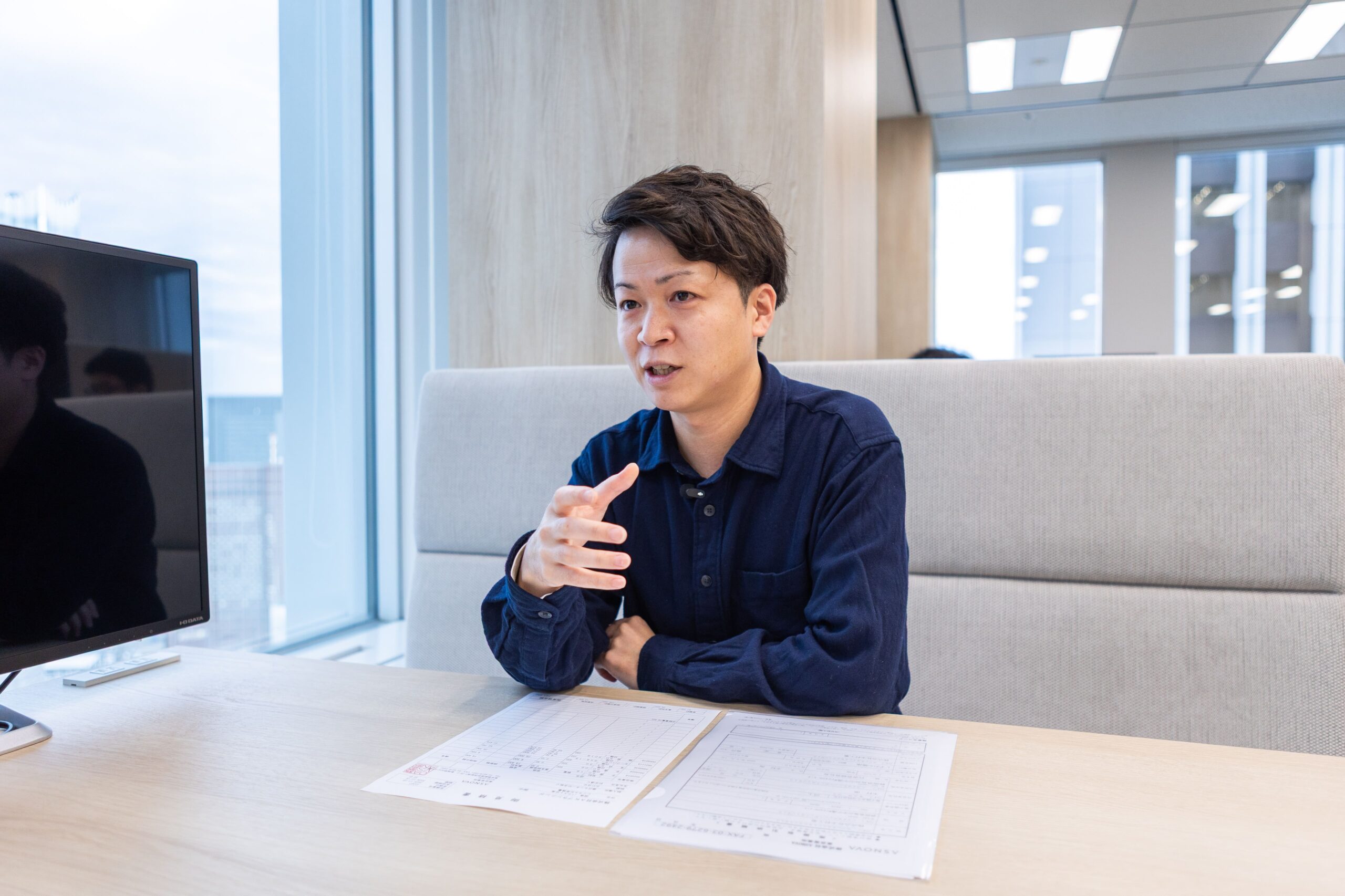
In September 2025, Tokyo Sales Office moved to a location a 7-minute walk from Shinjuku Station. The new office has been completed with the ideals I felt from my past experience. After the relocation, I realized the importance of communication and the sense of unity of the team. We spoke with Shinya Ito of Tokyo Sales Office Sales Manager about the new challenges they bring.

Text: Sayaka Mitsuda
Photo: Sho Kobayashi

PROFILE

Shinya Ito
Sales Manager, Tokyo Sales Office of ASNOVA Co., Ltd. As sales manager of Tokyo Sales Office, he is responsible for the rental and sales wedge binding type scaffold in the eastern Japan area.

A relocation that began with overcapacity. A new office that fulfilled the ideal.

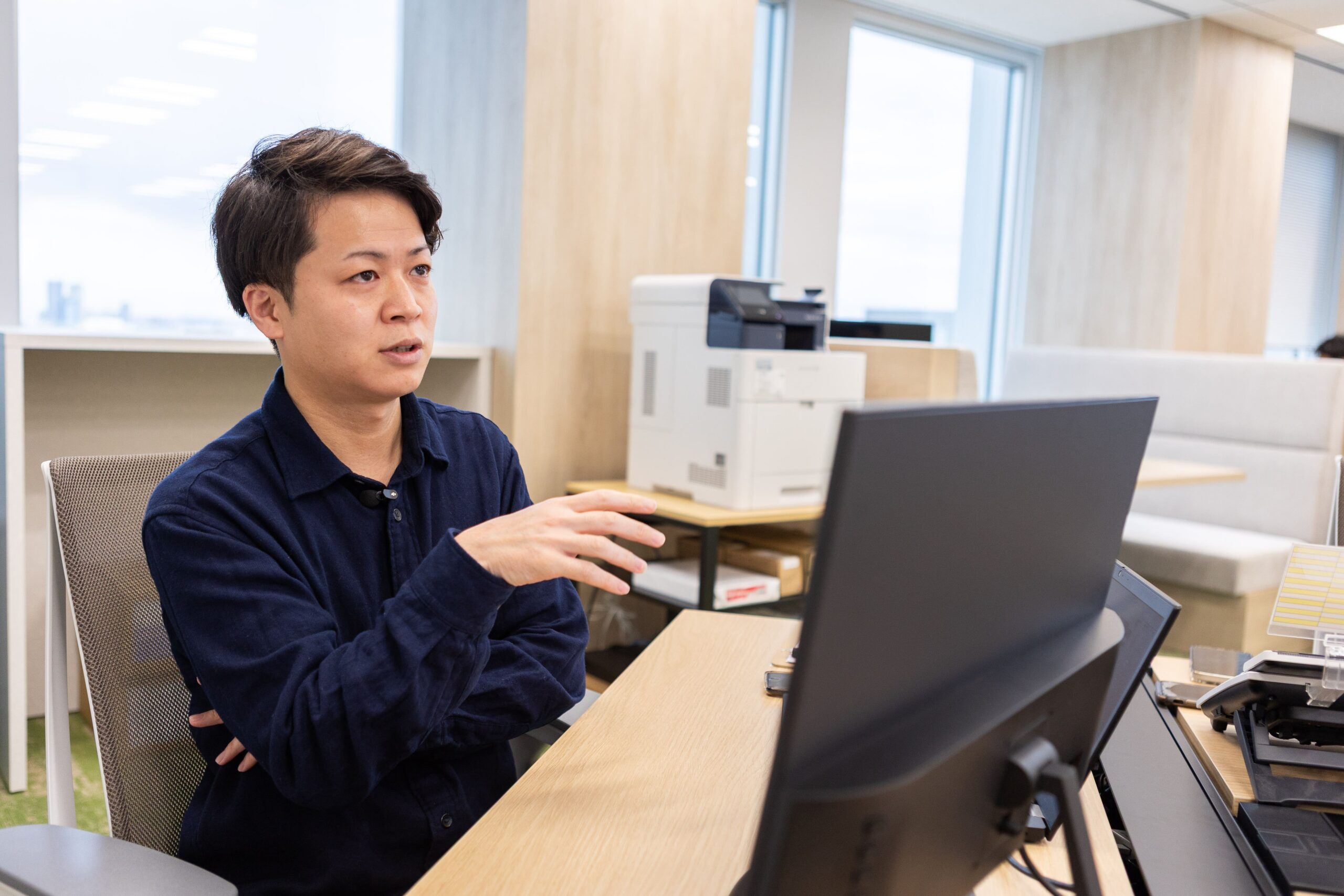
Q. When did you first start talking about relocating? Also, what was the environment like in your previous office?

The relocation itself has been around for about six months. In the past, it was a rental office-like office that could only accommodate up to 8 people. The number of people in Tokyo Sales Office has increased, but E-commerce Department and Business Promotion Department also went to work at Tokyo Sales Office, so when everyone got together, it was completely overcapacity. When customers came to visit or had meetings within the company, we rented a separate room each time.

When we made phone calls, we couldn't have more than two people talking at the same time because we would pick up each other's voices, so the third person had to make the call outside the office. We had to be careful not to let each other hear what we were saying. Thankfully, in light of this situation, we decided to relocate.

Q.What were your commitments and goals for the new Sales Office?

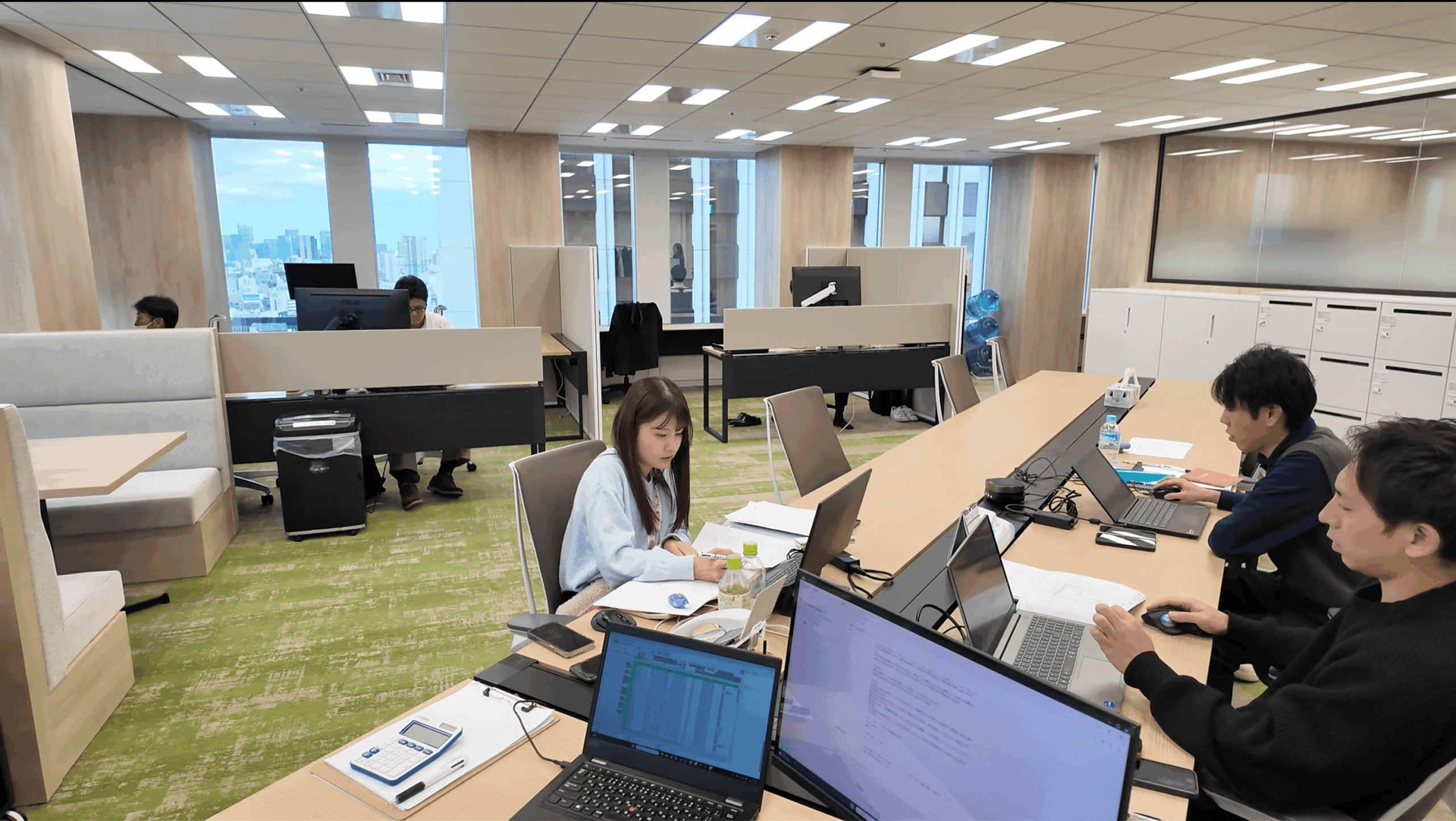
While looking at some of the interior designs with all the members, we exchanged opinions and gave shape to them. There are three departments: Sales Department, E-commerce Department, and Business Promotion Department, so we wanted to divide each space firmly and create a floor plan that allows us to communicate face-to-face rather than completely separating them with partitions.

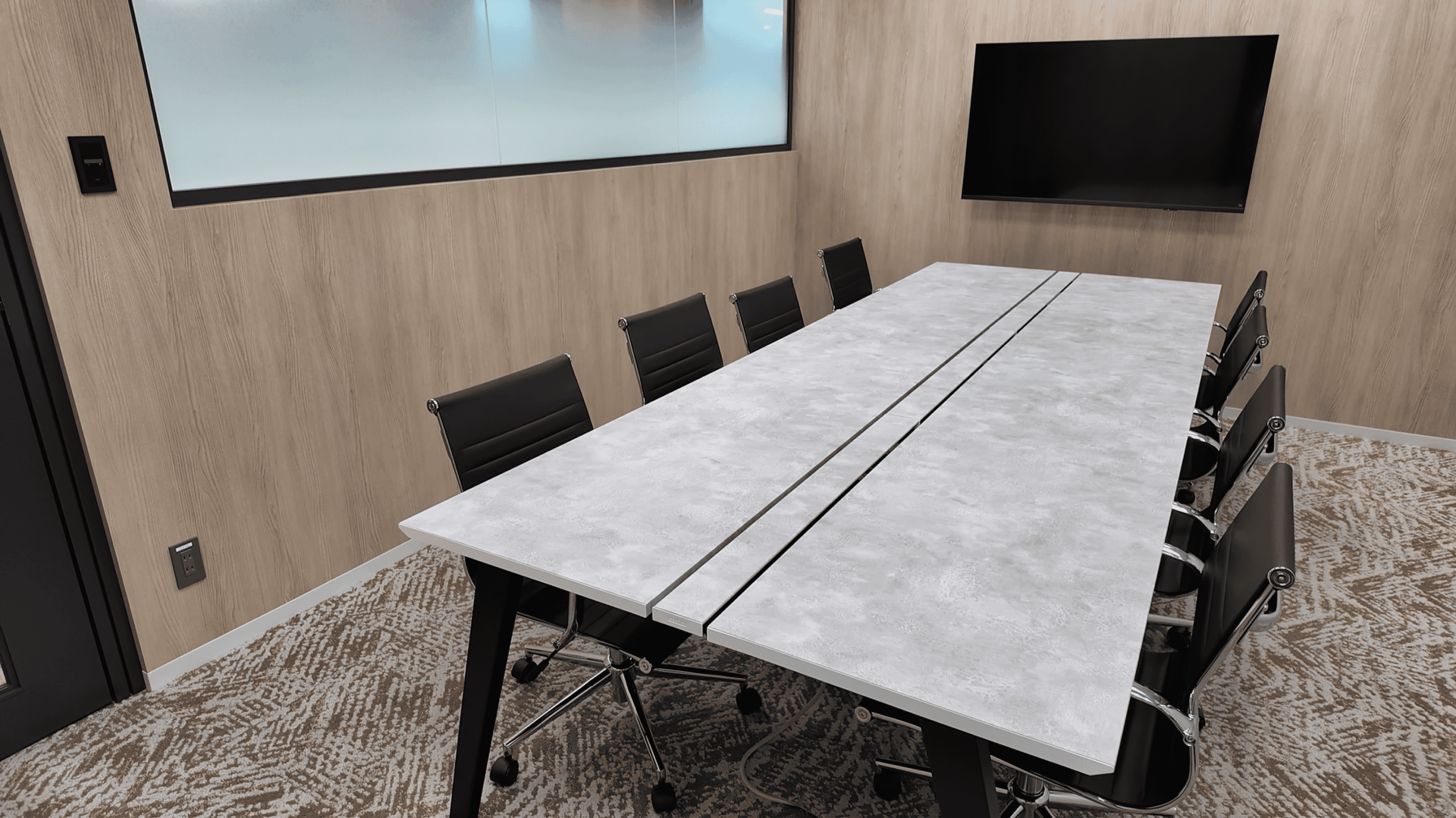
The work spaces where each employee works are spacious, so they can make phone calls at their desks without worrying about those around them, and the long-awaited conference room allows for internal and external meetings to be held without hesitation. We also created a space by the window where people can have in-depth face-to-face conversations while looking at a monitor. We also created a refreshment area with about two seats so that employees can take a break after a meal or when they get tired. The design is future-proof, taking into consideration the possibility of adding more desks if the number of employees increases.


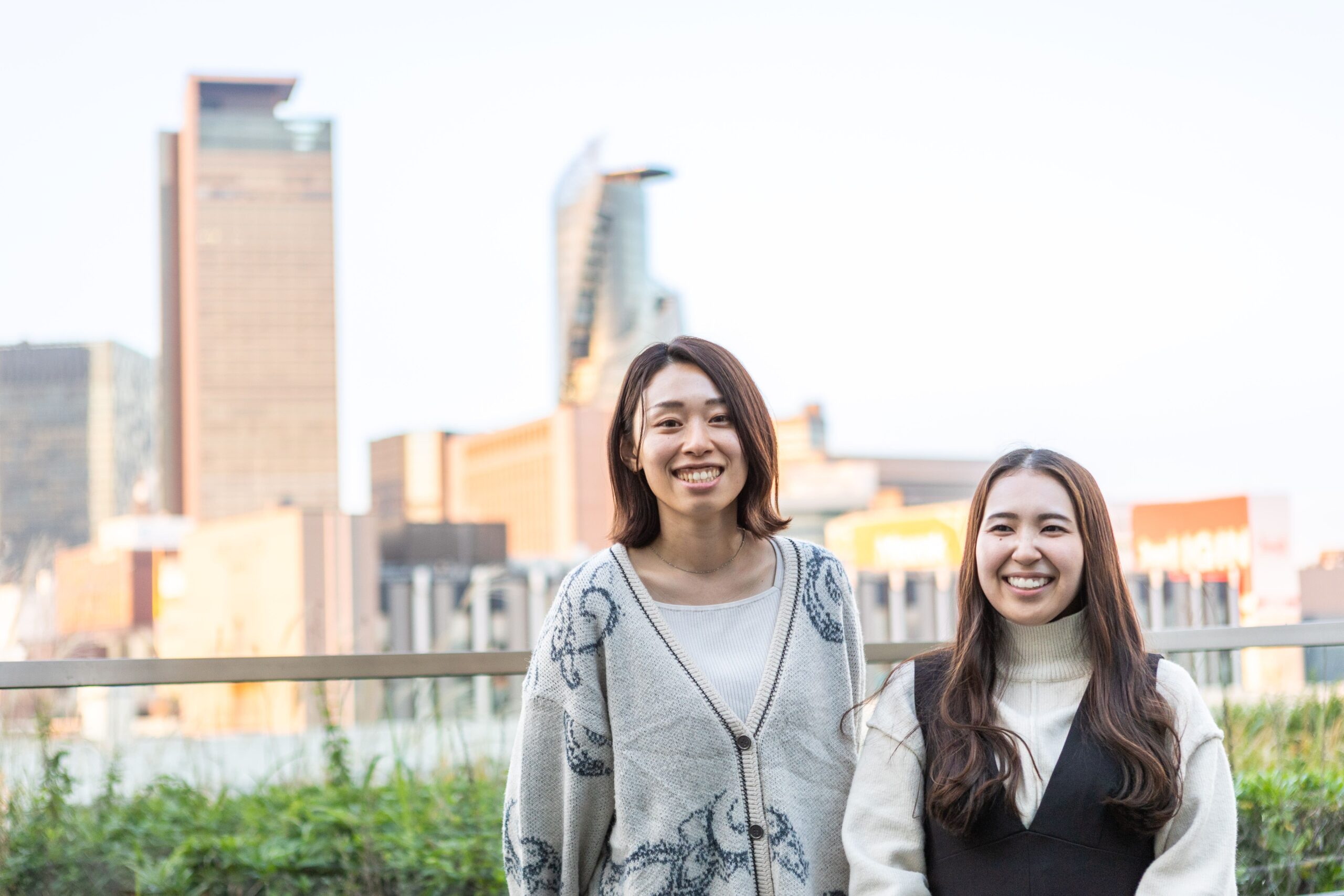
However, there was actually one thing that we didn't change when we moved. That was the area, Nishi-Shinjuku. The new office is only a few hundred meters away from our previous office. We considered changing the area when we moved, but after considering convenience of access and familiarity with the area, we decided to keep the Nishi-Shinjuku area. After all, the most important thing is that it's easy for our members to work.

A sense of unity born from communication: Changes in the team after the relocation and the next challenge

Q. How has internal communication changed since the location changed?

Communication within departments has increased, and horizontal relationships between departments have become smoother. E-commerce Department mainly sells used equipment, so it is easy for us to derive the story to Sales Department, and we can discuss it as soon as something happens. Thanks to our quick communication, we can quickly make proposals to our customers, which is helpful for both of us.

Furthermore, there is a cafeteria on the fourth floor of the building that residents can use, where they can eat a delicious lunch at a reasonable price. The menu changes every day, and there is a wide variety of rice and noodle dishes, so everyone is always asking each other, "What should we have today?" or "Let's go eat that lunch!" This may also be a by-product of the relocation.

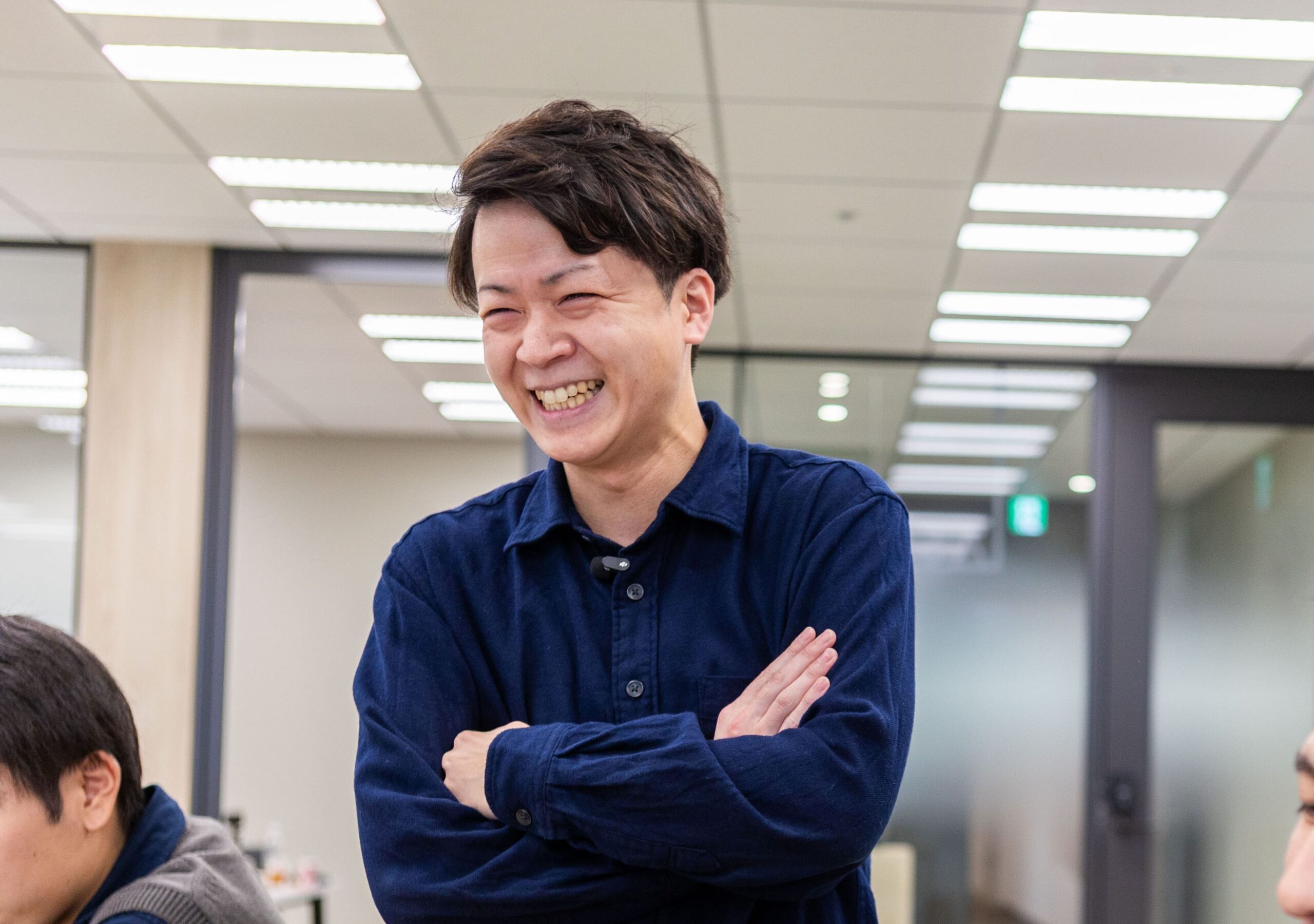
The Sales Office has become wider, and communication between members has become more active, making it very comfortable to work, but since we have just moved, we honestly still haven't been able to envision how we can make more use of this Sales Office. But if there is communication, ideas should be born from it. I myself am looking forward to what kind of interesting things can be done.

Q: What are your thoughts about the future?

I want to be conscious of aiming for sales with a sense of unity, regardless of department. Until now, I felt like I was achieving results through individual play, but now I feel more like I'm playing as a team. I want to achieve big goals by coming together as a team.

Also, as our president has always said, the growth of our people is essential for the growth of our company. Therefore, it would be great to create an environment where people can naturally talk about the kind of business they want to do or the kind of thing they want to start. I want to create a place where people can easily take on challenges, where we can develop the "proactive human resources" that will be the foundation of the self-sustaining organization that our company aims to become.

For me, Tokyo Sales Office is truly a place with a lot of potential. I would like to see this relocation not just as a move, but as a place for new challenges, and contribute to the creation of an organization that can actively move on its own.

INDEX